
Trailer interchange
Coverage for someone else's trailer in your possession, and the written agreement it depends on.
Short answer
Trailer interchange coverage generally pays for physical damage to a trailer owned by someone else while it is in your possession under a written trailer interchange agreement. It exists because your own physical damage coverage typically only covers units you own and list. The written agreement matters: policies commonly tie the coverage to it, and the agreement often sets the coverage you are required to carry.
How does trailer interchange coverage work for a trucking operation?
Some operators pull trailers they don't own: a shipper's or broker's trailer, a trailer-pool unit, or equipment from another carrier under an interchange. When you take one, you take responsibility for it under the agreement you signed. If it is damaged while you have it, the owner can look to you for repair or replacement.
Trailer interchange coverage is the policy that generally responds to that damage to the non-owned trailer. A few points that decide how it works:
- A written agreement. Interchange coverage is generally written to respond to damage to non-owned trailers that are in your possession under a written trailer interchange agreement. Without one, a claim may not be covered. Policies vary, so ask your insurance agent how yours defines it.
- Limit and deductible. The agreement may set a minimum limit, and your policy sets the limit and deductible that actually apply.
- Perils. Policies may cover only certain causes of loss, such as collision, or broader causes, such as fire and theft, depending on the form.
- The period. Coverage usually applies while the trailer is in your possession, between pickup and return. Read when that starts and stops.
- Responsibility for the trailer. The agreement, not the insurance policy, sets what you owe the owner. The policy only pays what it covers.
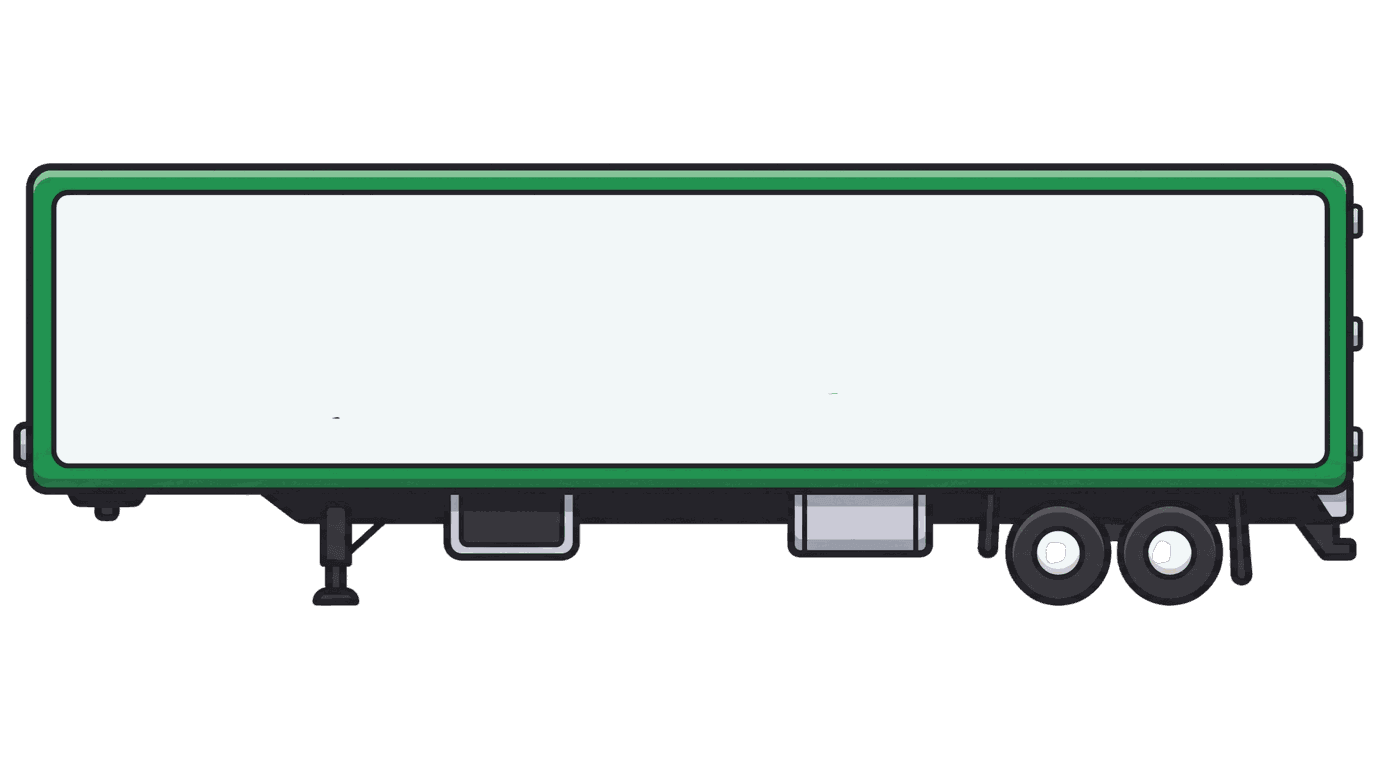
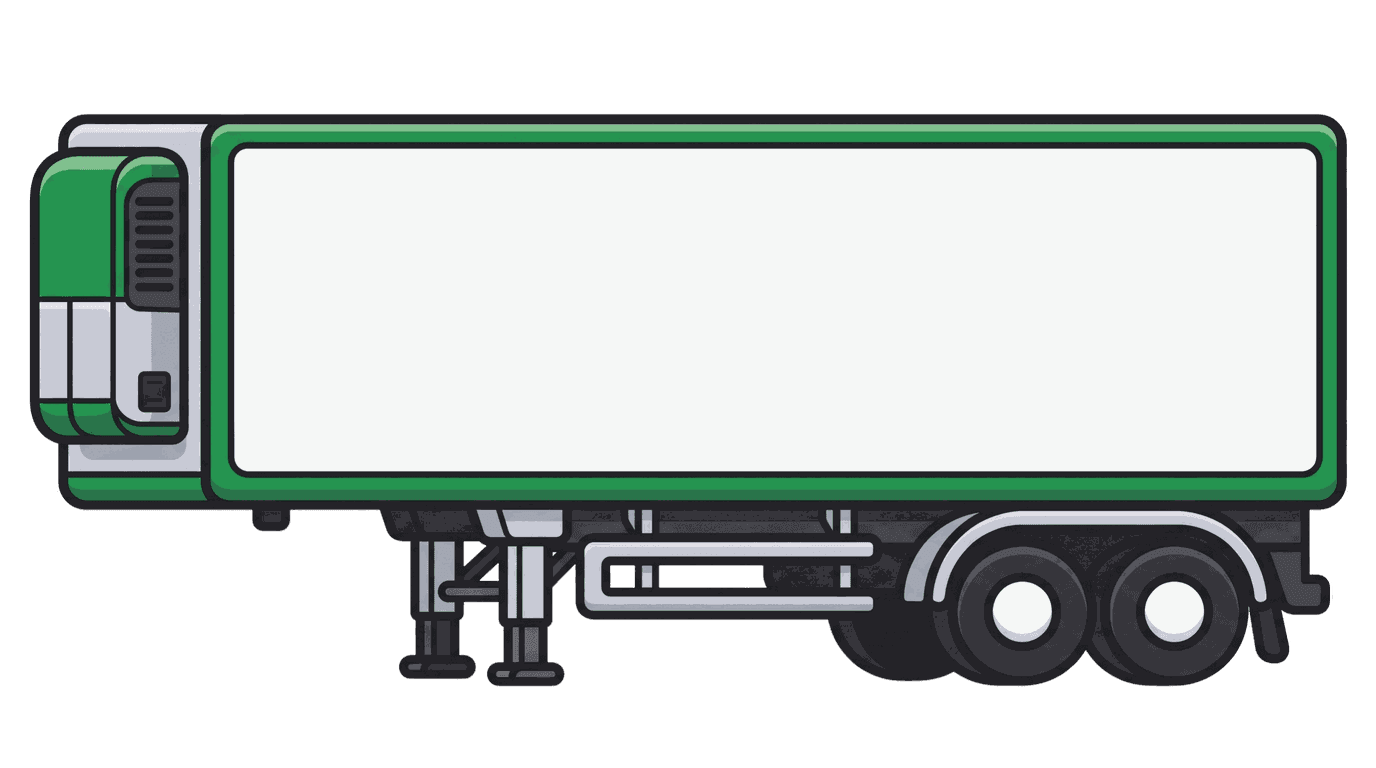
What does trailer interchange cover, and what doesn't it?
Policies vary. Read your declarations, definitions, and exclusions. In general:
Often covered
- Physical damage to a non-owned trailer while in your possession under a written interchange agreement, up to the policy limit, less the deductible
- Covered causes of loss as the policy defines them, such as collision or fire
Often not covered, or covered only with conditions
- Trailers without a written agreement, or outside the agreement's terms
- Trailers you own. That is physical damage.
- The load inside. That is motor truck cargo.
- Liability to others from the trailer in motion. That is primary auto liability.
- Wear and tear, mechanical breakdown, and tire wear
- Contract liability beyond the policy limit, such as damages the agreement lets the owner claim that the policy doesn't pay
- Loss of use of the trailer by its owner, under many policies
A common mistake is signing an agreement that asks for a higher limit than your policy has. Compare the agreement to your declarations before you sign.
What affects the cost of trailer interchange coverage?
We don't publish prices. Cost is set by insurers and the licensed agents you work with. The factors that generally move it:
- Limit. The amount required by the interchange agreement or the value of trailers you pull
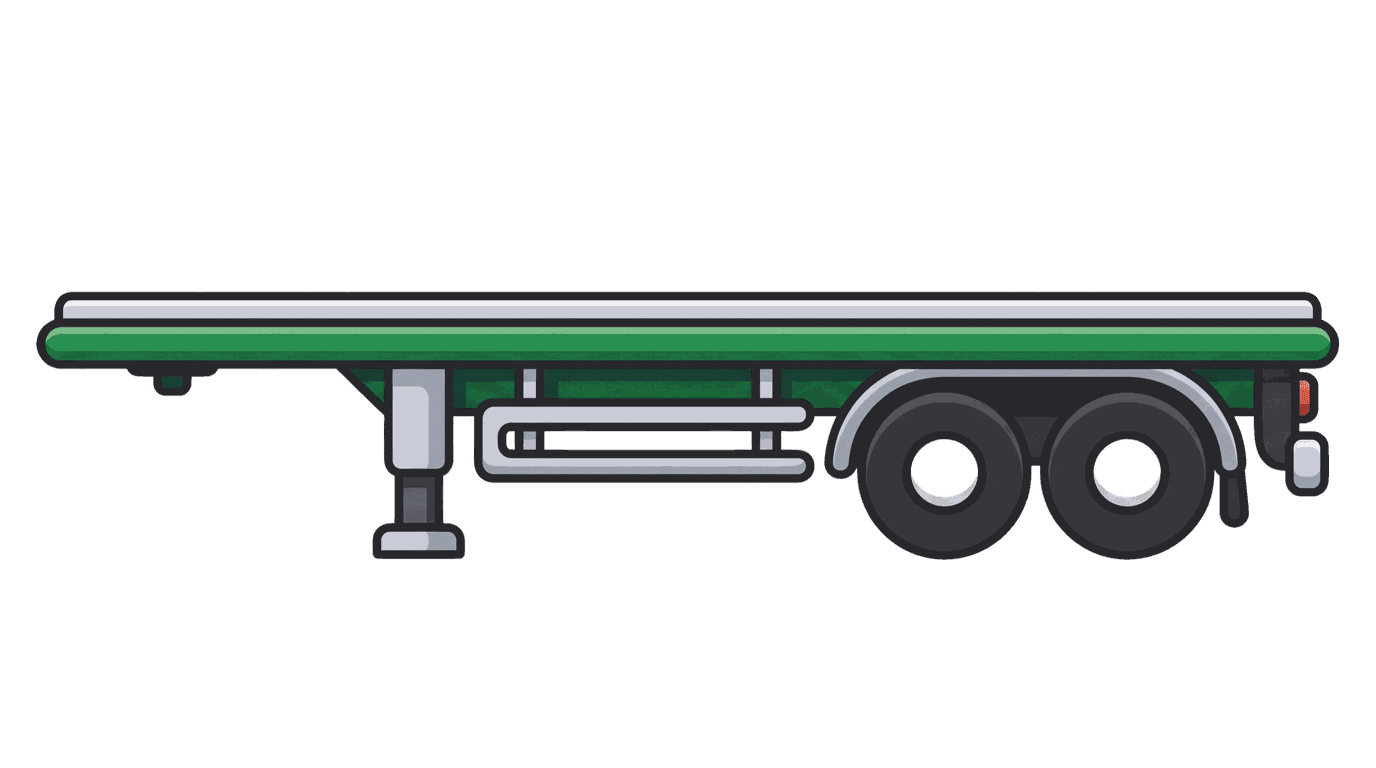
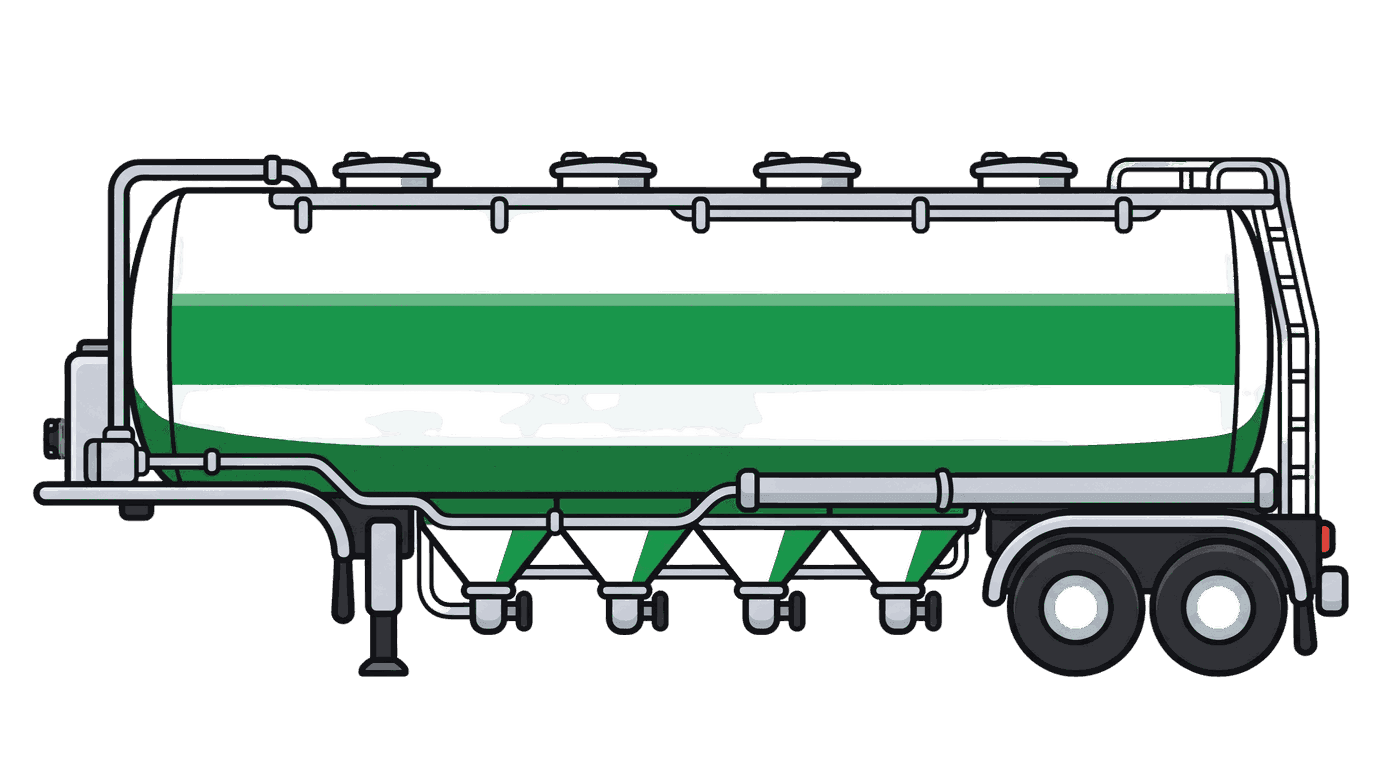
- Number and type of trailers. Dry van, reefer, flatbed, or specialized
- Deductible
- Causes of loss covered. Narrow or broad
- How often you pull non-owned trailers
- Radius and routes
- Claims history and experience
- What the agreement requires. Limits, deductibles, and named parties
Who typically needs trailer interchange coverage?
- Small fleets: Fleets that pull shipper-owned or pooled trailers are the typical audience.
- OTR and local haul: Drop-and-hook and dedicated lanes often involve trailers you don't own.
- Couriers: Operators pulling a customer's trailer for expedited or dedicated work.
- New authority: Ask early whether your first contract has an interchange agreement, so you can compare its requirements to your policy before the first load.
- Brokers and dispatchers: Brokers don't pull trailers, but their carriers may be asked about it. Brokers' own coverages are a different matter. See contingent auto liability.
What do agencies and insurers usually ask for?
- A copy of the trailer interchange agreement, or a sample from the customer
- The number and type of non-owned trailers you expect to pull at once
- Their values, or the limit the agreement requires
- Your current physical damage and liability policies
- Radius and lanes
- Loss history
Before you sign an agreement, send it to your insurance agent and ask whether the requirements fit the policy.
Frequently asked questions
Is trailer interchange the same as physical damage?
No. Physical damage generally covers units you own and list. Trailer interchange generally covers non-owned trailers in your possession under a written agreement.
Do I need a written agreement?
Policies generally tie the coverage to a written interchange agreement. If you pull a non-owned trailer without one, the claim may not be covered. Ask your insurance agent how your policy words it.
Does it cover the freight in the trailer?
No. The load is covered, if at all, by motor truck cargo.
Does it cover a trailer I'm leasing long-term?
Not necessarily. A trailer you lease and list on your policy is usually handled as an owned unit under physical damage, and the policy decides. Ask your insurance agent and your lessor.
Who sets the limit I need?
The interchange agreement usually does, and your policy has to meet or exceed it. Read both.
Does BreadRoute sell trailer interchange coverage?
No. BreadRoute is not a licensed insurance agency. If you start an insurance request, it goes to licensed partners, who handle any coverage options.
Sources
- 49 CFR 387.5, Definitions (public liability), Electronic Code of Federal Regulations, 2026
Last reviewed: