
Financing and insurance for small trucking fleets
Adding units without choking cash flow, and keeping every truck and driver on the right policy as the schedule grows.
Short answer
Three things usually come first for a small fleet. One is paying for the next unit without draining cash. Another is keeping payroll, fuel, and repairs moving while invoices age. The third is keeping the insurance schedule current as you add trucks and drivers. Fleet history and existing equipment can help with providers, but more units also mean more exposure, so liability limits and employee-related coverage tend to get a second look as you grow. Providers and insurers decide what they offer, not us.
Which financing products do small fleets usually look at?
A fleet has more than one kind of money problem, and each product fits a different one. A unit you want to add is one problem. A gap that shows up every month is another. Match the product to the gap, then compare providers.
Equipment financing
Adds units without draining cash. Fleet history and existing equipment can help, and so can a deal across several units. Watch cross-collateral terms, where one unit secures the whole deal.
Line of credit
Smooths payroll, fuel, and repair costs across weeks of uneven cash, and pairs well with factoring or equipment financing.
Factoring
Keeps payroll, fuel, and repairs moving while 30-day invoices age. Check whether a factor can handle several trucks under one account.
Working capital
Payroll, repairs, and cash while you add trucks. For recurring gaps, a line of credit or factoring can be a better match.
SBA loans
A common fit for established fleets with tax returns and steady cash flow, whether to add trucks, refinance higher-cost debt, or combine equipment and working capital.
Fuel cards
Per-driver and per-truck controls, spending limits, and one report across every unit. We do not currently route fuel card requests.
If you want to keep customer contact and have enough invoices, accounts receivable financing can be a step up from spot factoring, with more reporting. Asset-based lending tends to suit established fleets with a growing receivables book and owned equipment, especially those outgrowing factoring.
Which insurance lines do small fleets usually ask about?
Insurance grows with the schedule. Every unit and driver you add changes the policy, and growth tends to bring new exposures: employees, trailers you don't own, and a single large accident that outruns your base limits. Policies vary, so read the declarations, definitions, and exclusions.
Primary auto liability
Each added unit and driver needs to be on the policy. Ask how your agency handles adding and removing units.
Motor truck cargo
Fleets often carry a limit that fits the largest regular load. Ask how the limit applies per unit versus per occurrence.
Physical damage
A larger schedule means more to keep current. Add and remove units as they change.
Trailer interchange
Fleets that pull shipper-owned or pooled trailers are the typical audience.
Workers' compensation
Once you have employee drivers, mechanics, or yard staff, workers' compensation rules are likely to apply. How you classify owner-operators matters.
Commercial umbrella
More trucks and drivers mean more exposure to a single large accident, and contracts often key to total limits.
Also worth a look as you grow: general liability if you have a terminal, yard, or maintenance bay; management liability once you hire W-2 staff; cyber if you run a TMS, ELD portal, or accounting system with driver and customer data; and commercial property for a terminal or yard office. If you sometimes hire other carriers to cover overflow loads, ask your insurance agent whether contingent auto liability applies.
How does a small fleet's picture change as it grows?
Match the product to the shape of the gap. A unit you want to add is a one-time need, and equipment financing is built for it. Payroll, fuel, and repairs across uneven weeks is a recurring need, which a line of credit or factoring is built for. Stacking several products adds payments you have to keep up with, so look at the total before you add another.
Employees change the insurance map. The moment you have W-2 drivers, mechanics, or office staff, workers' compensation rules are likely to apply and employment exposure shows up that auto and cargo policies don't touch. If you use owner-operators too, how you classify them matters, and the answer depends on your state and your lease. Read both before you assume either way, and ask your insurance agent what a policy does with contractors.
Keep the schedule honest. The two ways liability coverage most often goes wrong are a wrong description of your operation and a unit or driver the policy doesn't list. Check both at issue and each time you add a truck or driver.
Financing providers will ask about insurance. They usually want each financed unit insured, often with the provider named on the policy. Ask for the minimum before you shop.
Overflow loads can change your category. If you hire other carriers to move freight you have accepted, the questions are different from the ones a hauling-only fleet faces. See the FAQ below.
Which operations does this page cover?
The guidance above applies to these kinds of operations. Where one has its own page, its name links there with the details that are specific to it.
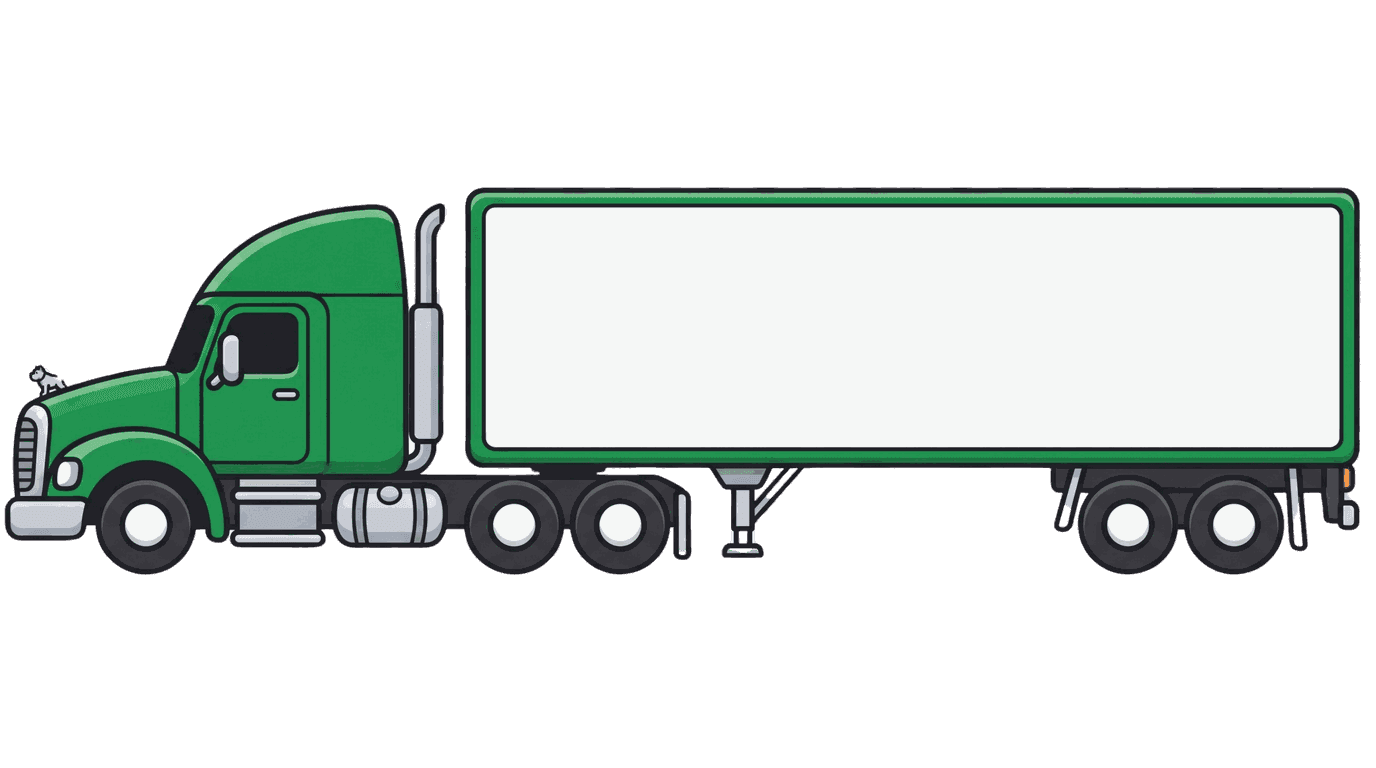
Long haul trucking (OTR)
Tractors on multi-day lanes, long pay cycles, and fuel as the biggest bill.
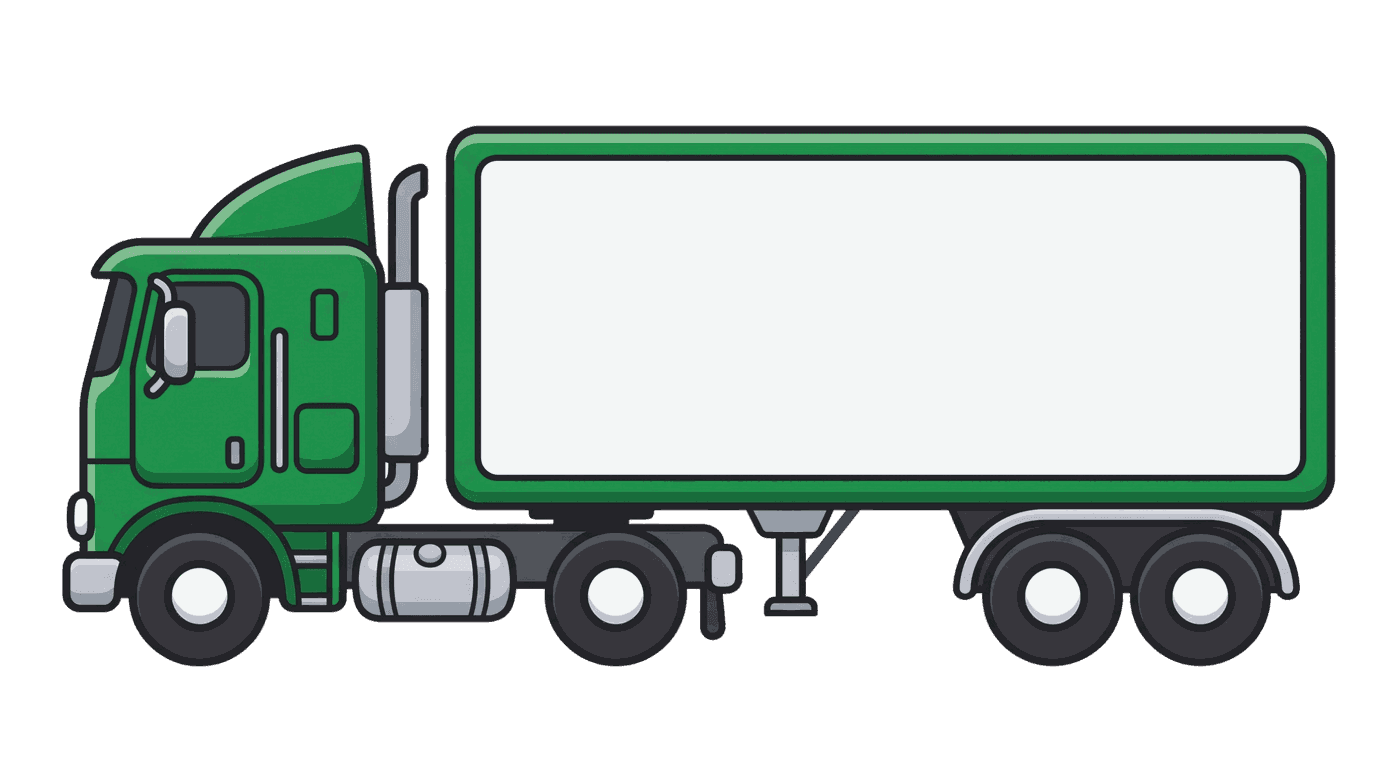
Less than truckload (LTL)
Many shippers per trailer, terminals and dock work, and freight that changes hands often.
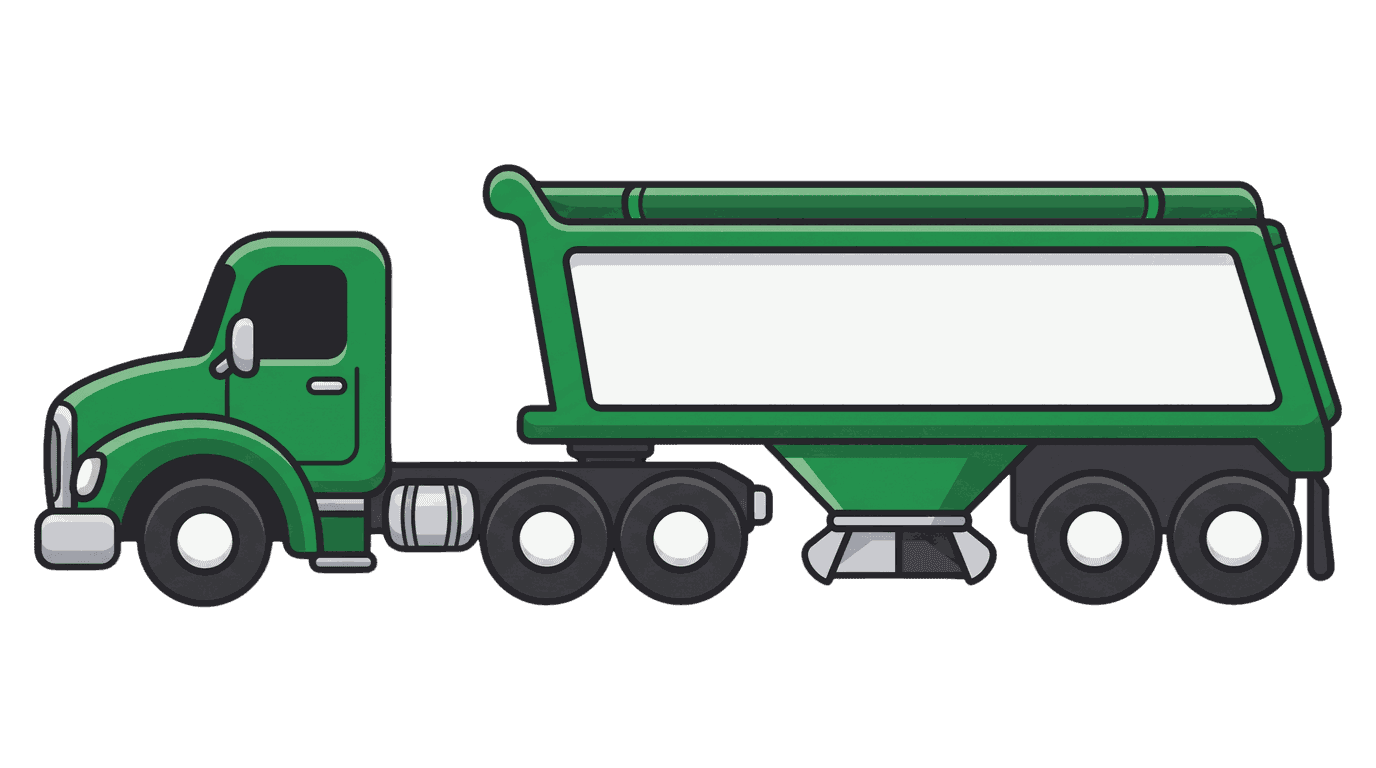
Aggregate hauling
Dump trucks and end dumps moving sand, gravel, and stone for construction and paving work.
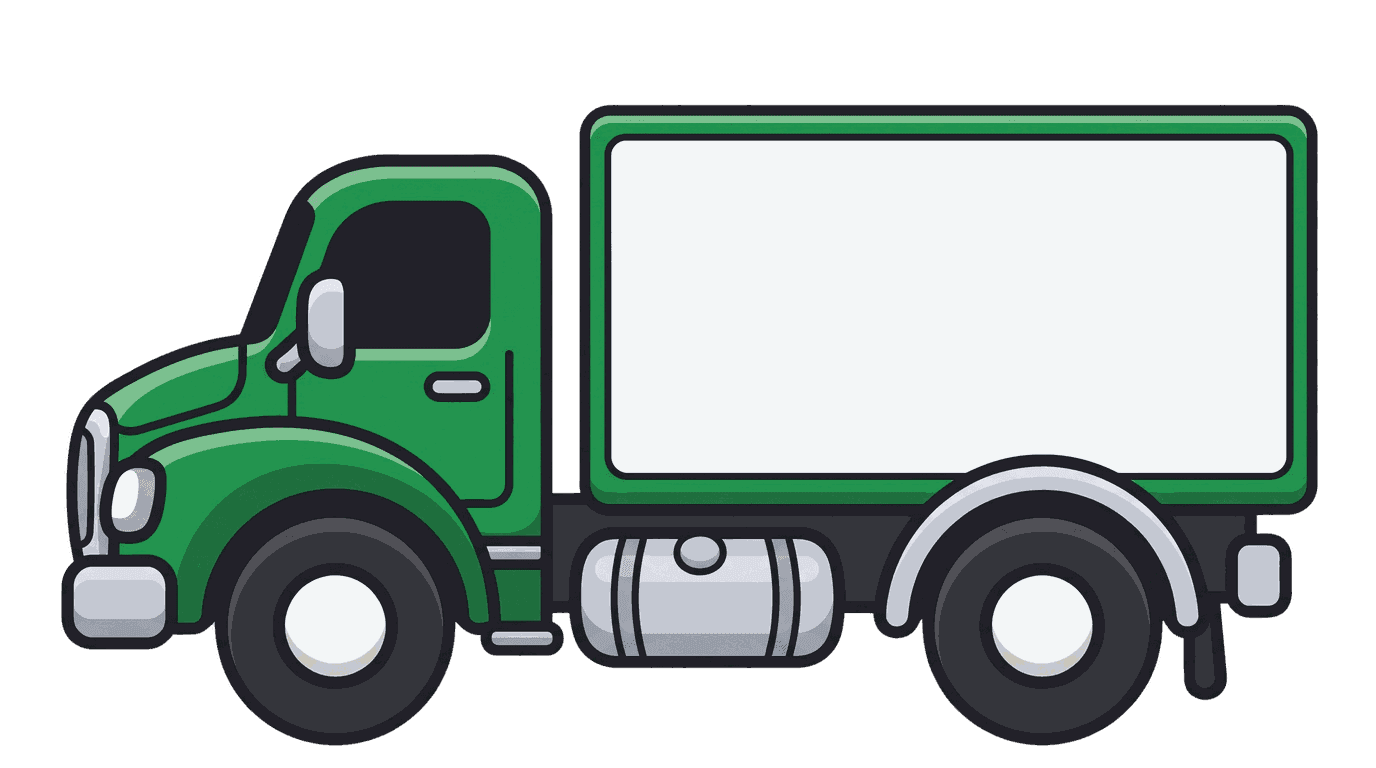
Local haul
Short runs home every night, more stops per day, and customers who often pay on terms.
US Postal Service contractors
Contract mail routes, a single large customer, and trucks or vans that run on a fixed schedule.
Amazon Delivery Service Partners (DSPs)
Delivery fleets of branded vans, many drivers, and pay set by one program's schedule.
Last-mile delivery
Final delivery to homes and businesses, high stop counts, and lighter vehicles.
Moving and relocation
Household and office moves, crews and box trucks, and other people's belongings in your care.
Drayage
Containers between ports, rail yards, and warehouses, with chassis and terminal rules to manage.
Refrigerated (reefer) transport
Temperature-controlled trailers, reefer units to maintain, and loads that spoil if something fails.
Hazardous materials (hazmat) transport
Placarded loads, extra endorsements and filings, and higher stakes when something goes wrong.
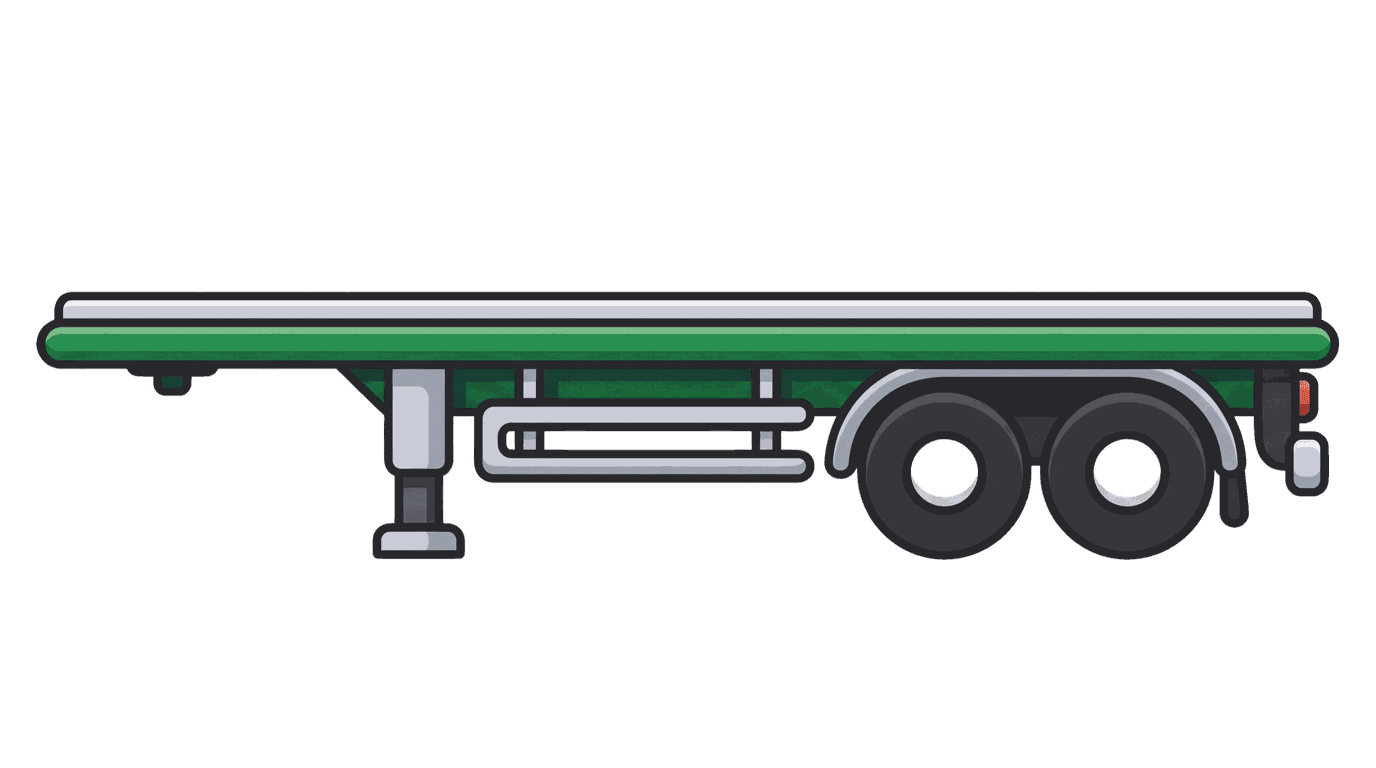
Heavy haul and oversize loads
Lowboys, RGNs, and specialized trailers, permits for each route, and high-value equipment.
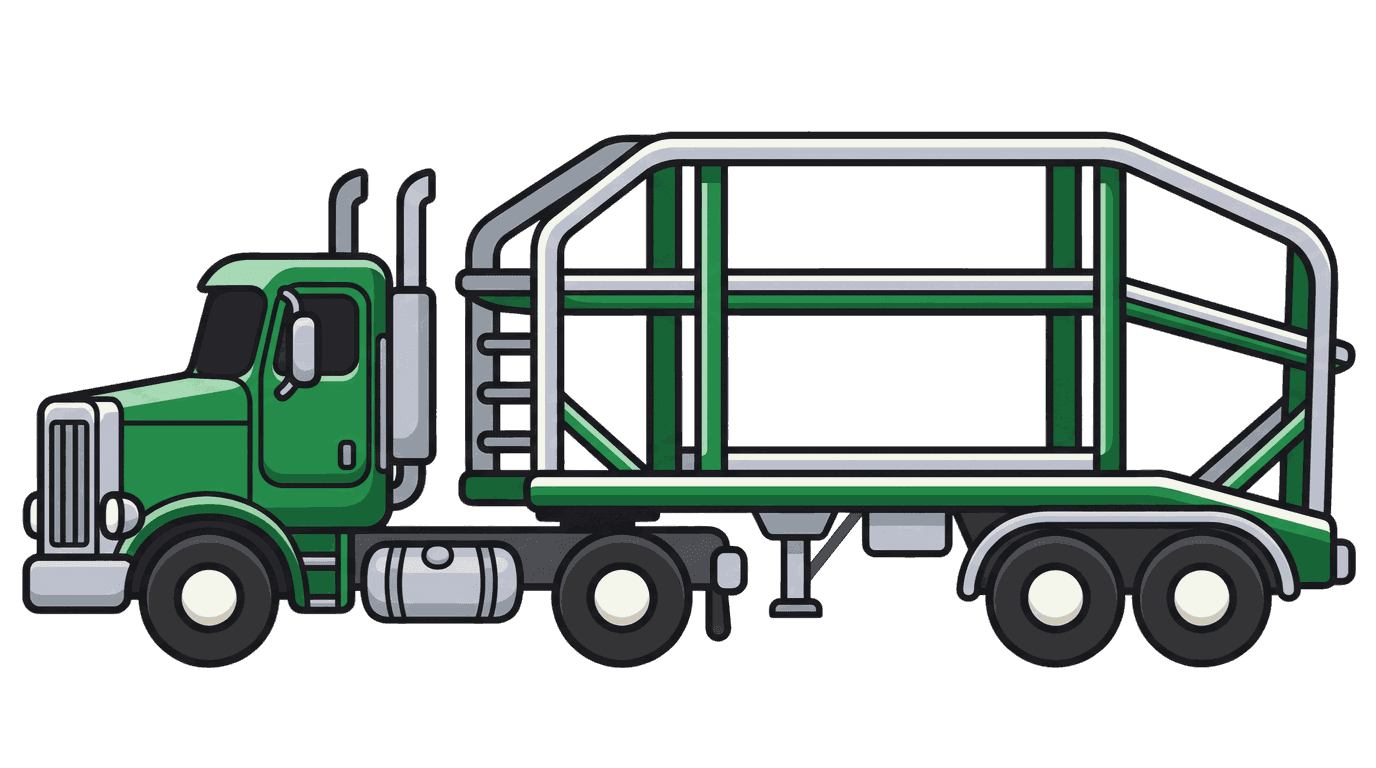
Auto transport (car haulers)
Open or enclosed car carriers, vehicles in your care, and a trailer that can cost as much as the truck.
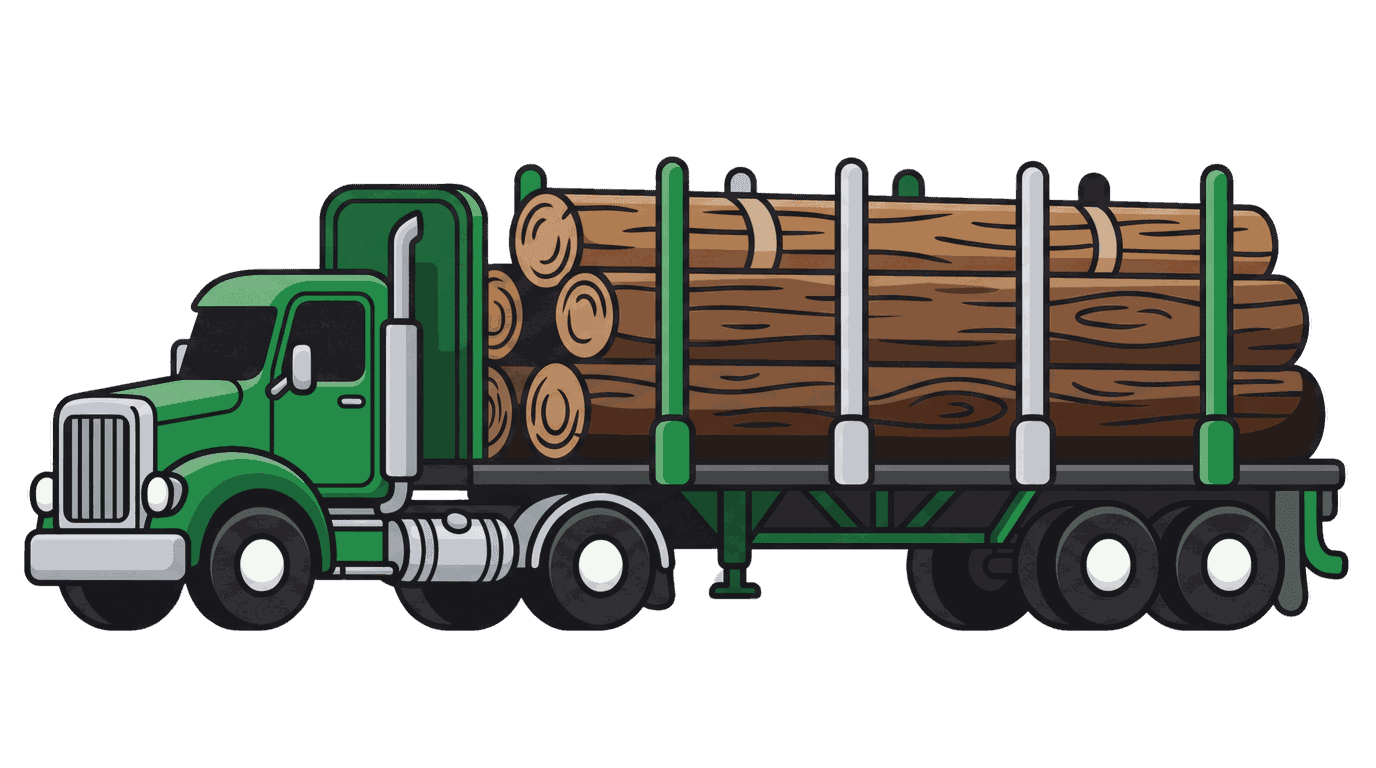
Logging and timber transport
Log trucks and trailers on rough roads, seasonal work, and equipment that wears hard.
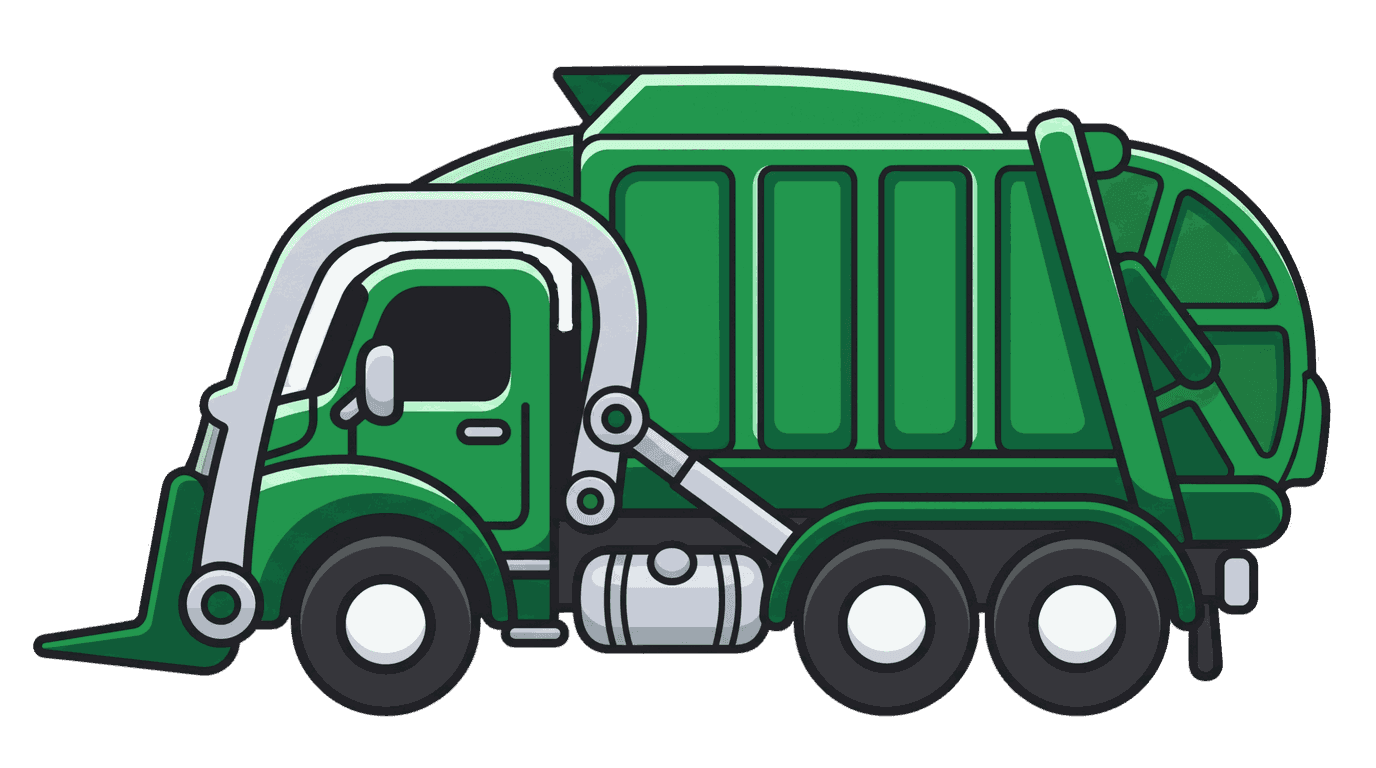
Waste management
Roll-offs, front loaders, and route trucks, with municipal and commercial contracts.
Third-party logistics (3PL)
Running shipping, storage, or fulfillment for other companies, often with your own trucks too.
Frequently asked questions
What financing fits when I'm adding a truck?
Equipment financing pays for the unit, with the unit usually serving as collateral. If the problem is the cash it takes to keep the truck running afterward, that is a separate need, and a line of credit or factoring may fit it better. See equipment financing first.
Factoring or a line of credit?
They answer different questions. Factoring is tied to invoices you have issued. A line of credit is a limit you draw on and repay. Many fleets use one alongside the other. Compare the total cost and the terms of each before you choose.
Do I need workers' compensation if I use owner-operators?
It depends on how each one is classified and on your state. Employees are generally covered by workers' compensation rules. Independent contractors may be asked to carry occupational accident instead. We can't tell you which applies to your arrangement, so read your lease and your state's rules, and ask your insurance agent.
If I hire other carriers on overflow loads, am I a broker?
Federal rules define a broker as a person who, for compensation, arranges or offers to arrange the transportation of property by an authorized motor carrier. The same definition says motor carriers are not brokers when they arrange shipments they are authorized to transport and have accepted and legally bound themselves to transport. Whether a particular arrangement counts as brokerage depends on the facts, so ask FMCSA or an attorney. Freight brokers must have a $75,000 surety bond or trust fund in effect. See surety bonds, and ask your insurance agent whether contingent auto liability applies.
What do I do about insurance when I add a truck?
Make sure the truck and its driver are on the policy before the truck runs, and ask your agency how it handles adding and removing units. If the truck is financed, the provider will usually want it insured, often with the provider named on the policy. Ask the provider for its minimum before you shop.
Sources
- 49 CFR 371.2, Definitions, Electronic Code of Federal Regulations, 2026
- 49 CFR 387.307, Property broker surety bond or trust fund, Electronic Code of Federal Regulations, 2026
Last reviewed: