
Who we serve
Find your kind of operation, and see what it usually looks at first for financing and insurance.
Short answer
We write for people who move freight or keep it moving: carriers and haulers of every kind, delivery operators, brokers, forwarders, logistics and warehouse operators, and towing and escort services. Find your operation in the two lists below, or start with one of six broader pages: new authority, small fleets, couriers, over-the-road (OTR) and local haul, brokers and dispatchers, and towing and repair. Each page says which financing products and insurance lines usually come up first for that kind of operation, and links to the full page for each one. Financing requests go to third-party providers, and insurance requests go to licensed insurance partners. BreadRoute is not a lender and not a licensed insurance agency.
Transportation and freight
Operations that haul freight, goods, vehicles, or materials. Where an operation has its own page, its name links there.
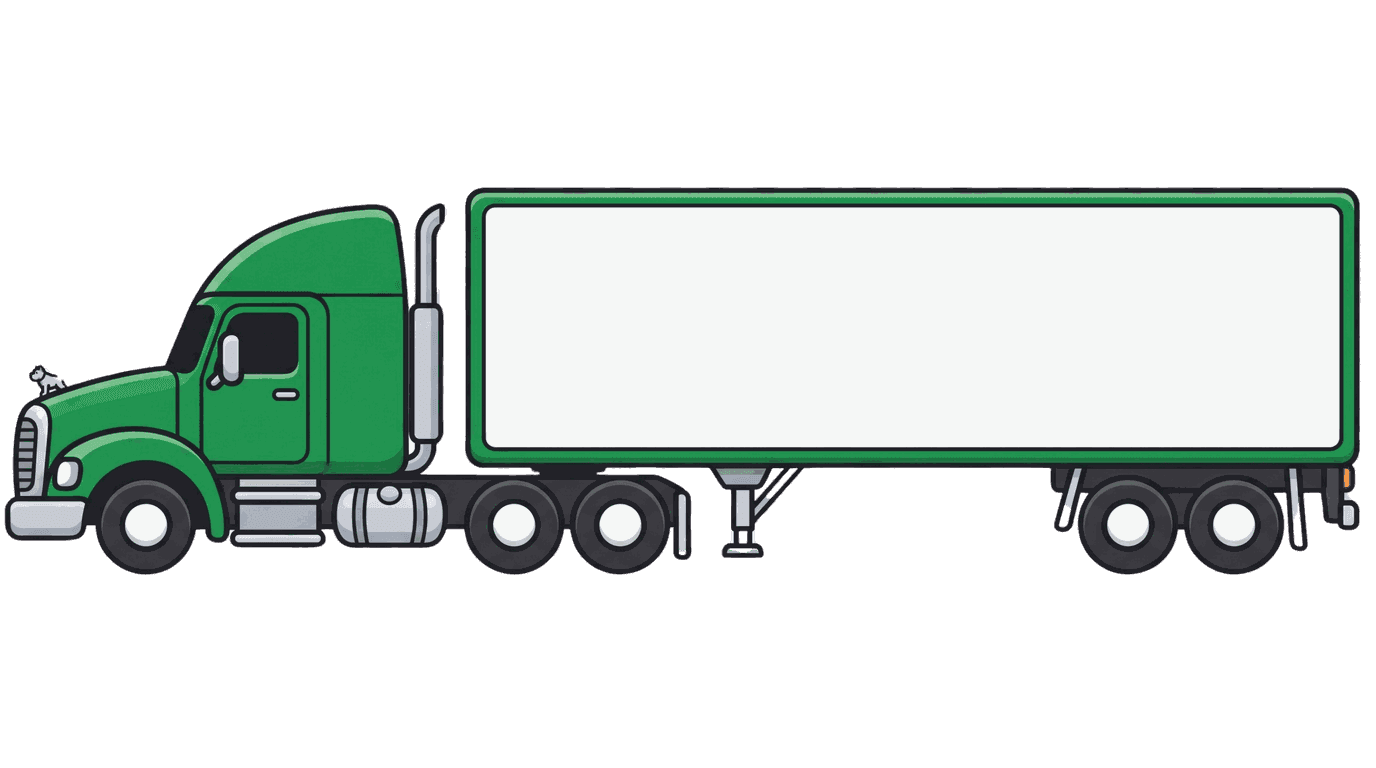
Long haul trucking (OTR)
Tractors on multi-day lanes, long pay cycles, and fuel as the biggest bill.
Less than truckload (LTL)
Many shippers per trailer, terminals and dock work, and freight that changes hands often.
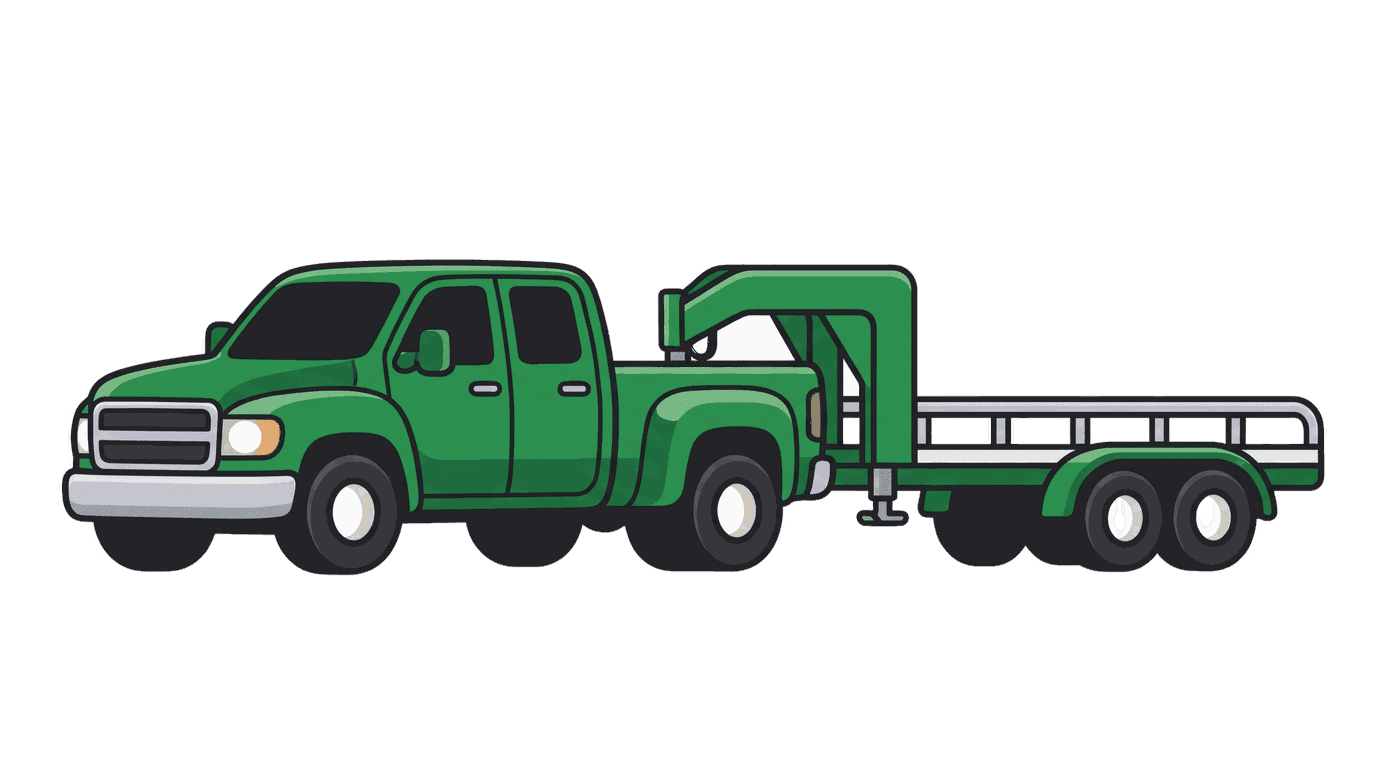
Hotshot trucking
Pickups and medium-duty trucks pulling flatbed or gooseneck trailers on time-sensitive loads.
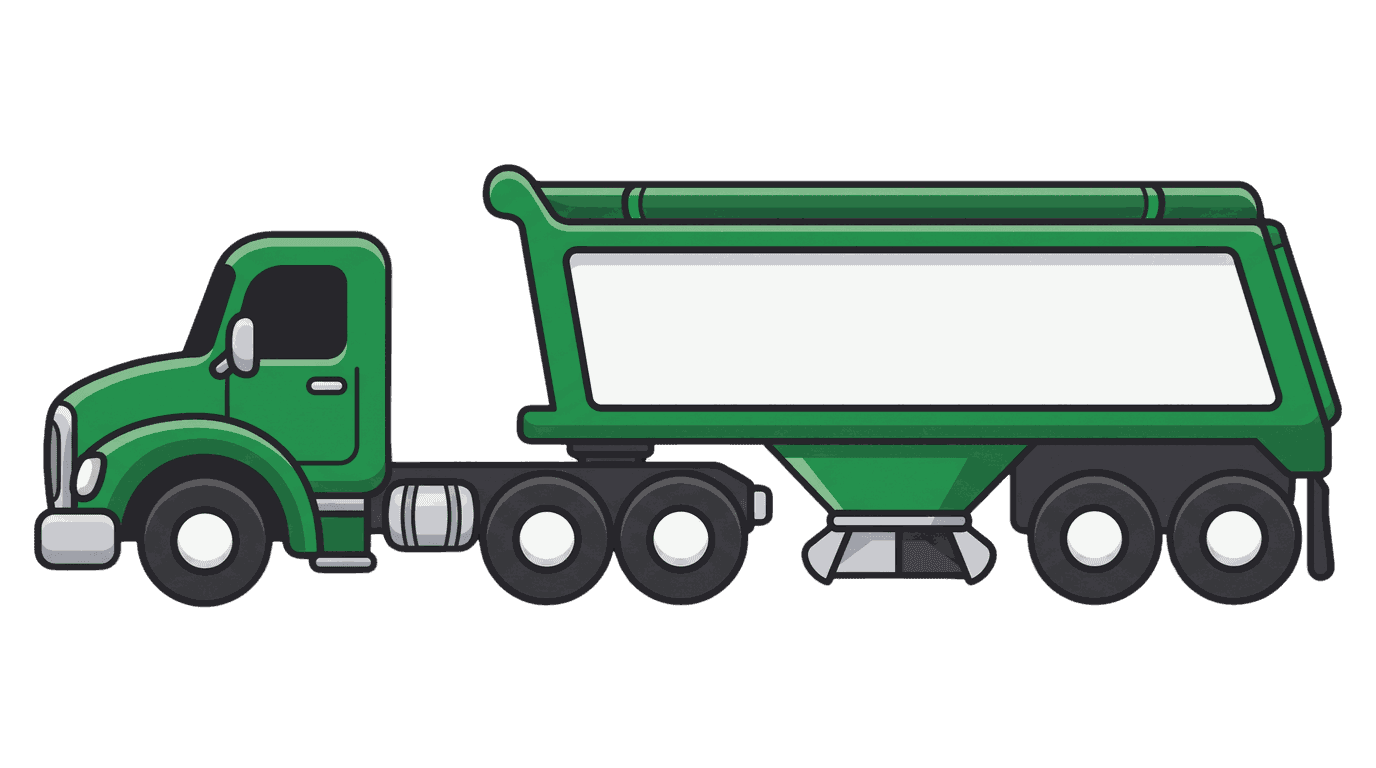
Aggregate hauling
Dump trucks and end dumps moving sand, gravel, and stone for construction and paving work.
Local haul
Short runs home every night, more stops per day, and customers who often pay on terms.
US Postal Service contractors
Contract mail routes, a single large customer, and trucks or vans that run on a fixed schedule.
Amazon Delivery Service Partners (DSPs)
Delivery fleets of branded vans, many drivers, and pay set by one program's schedule.
Couriers
Cargo vans, box trucks, and pay by the job.
Last-mile delivery
Final delivery to homes and businesses, high stop counts, and lighter vehicles.
Moving and relocation
Household and office moves, crews and box trucks, and other people's belongings in your care.
Drayage
Containers between ports, rail yards, and warehouses, with chassis and terminal rules to manage.
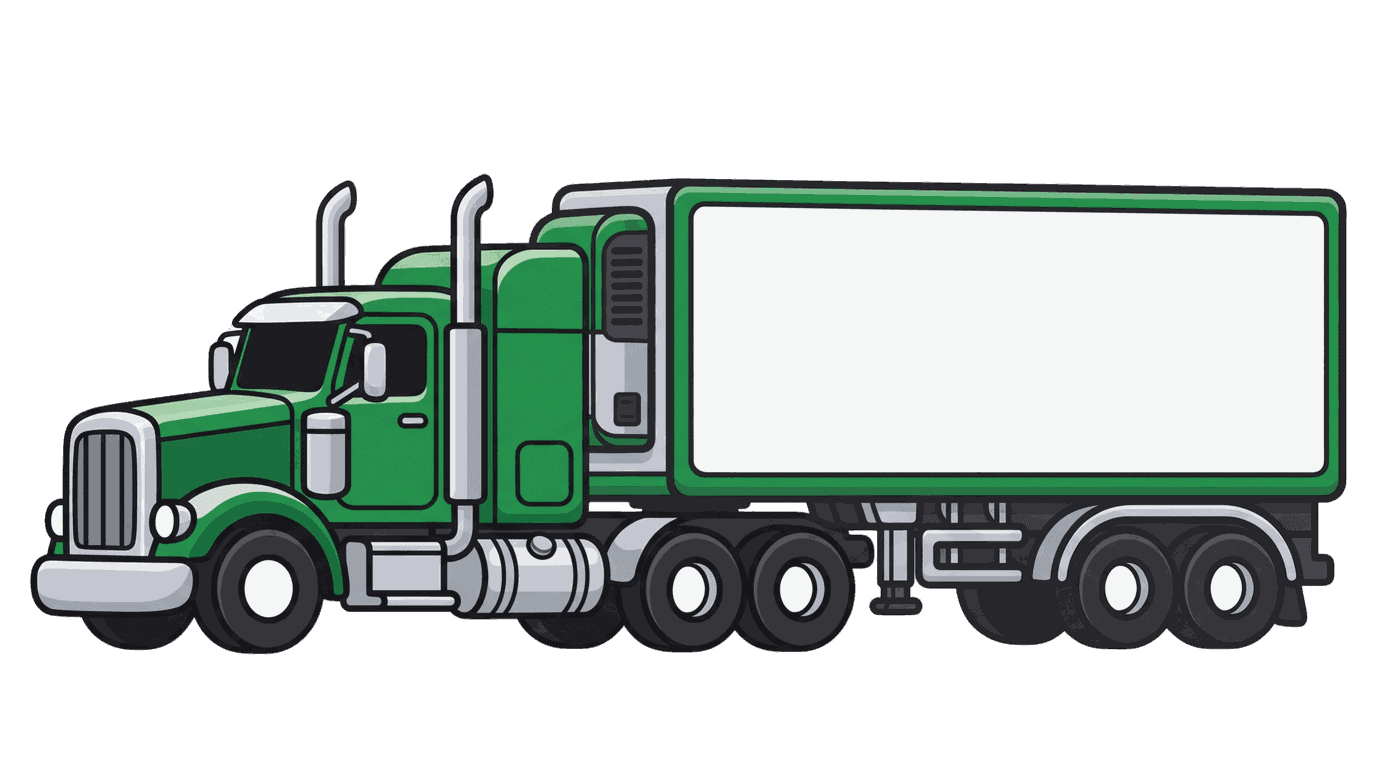
Refrigerated (reefer) transport
Temperature-controlled trailers, reefer units to maintain, and loads that spoil if something fails.
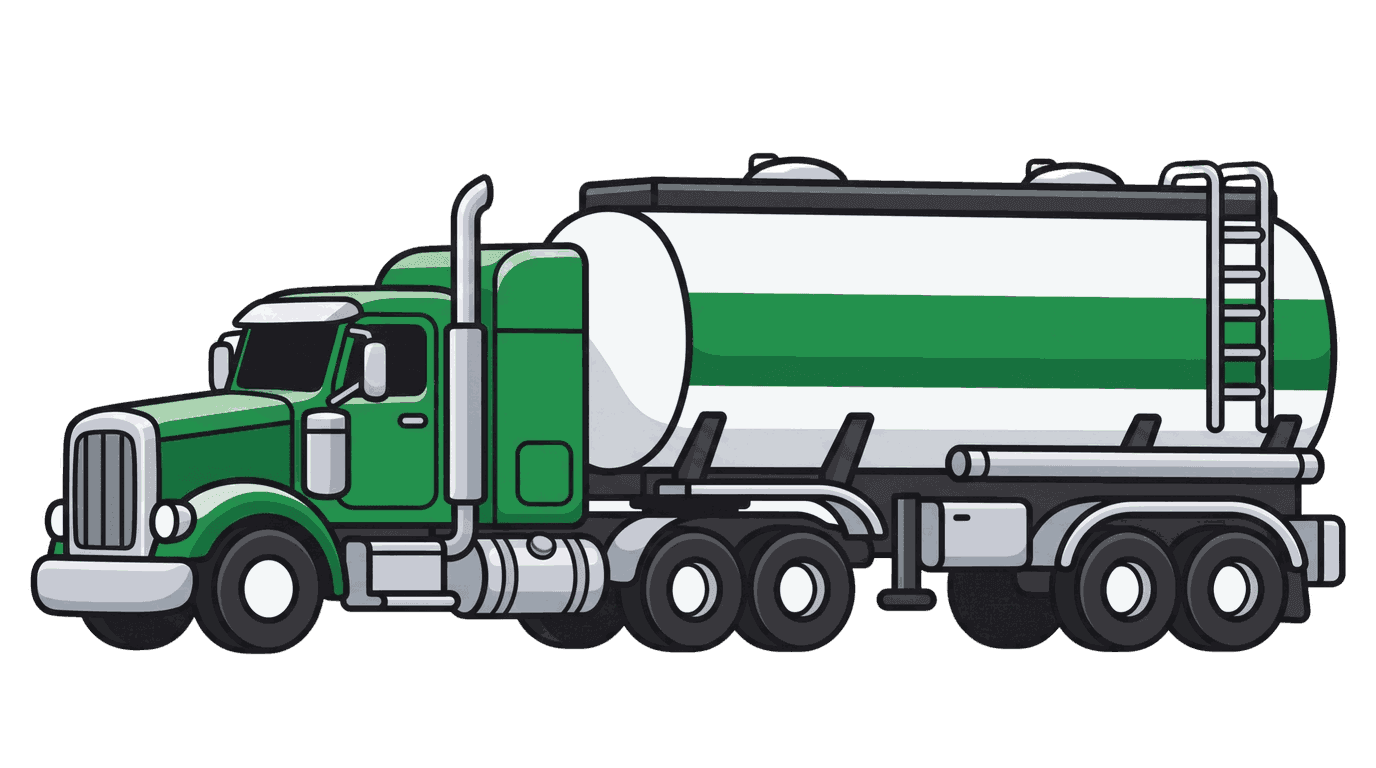
Hazardous materials (hazmat) transport
Placarded loads, extra endorsements and filings, and higher stakes when something goes wrong.
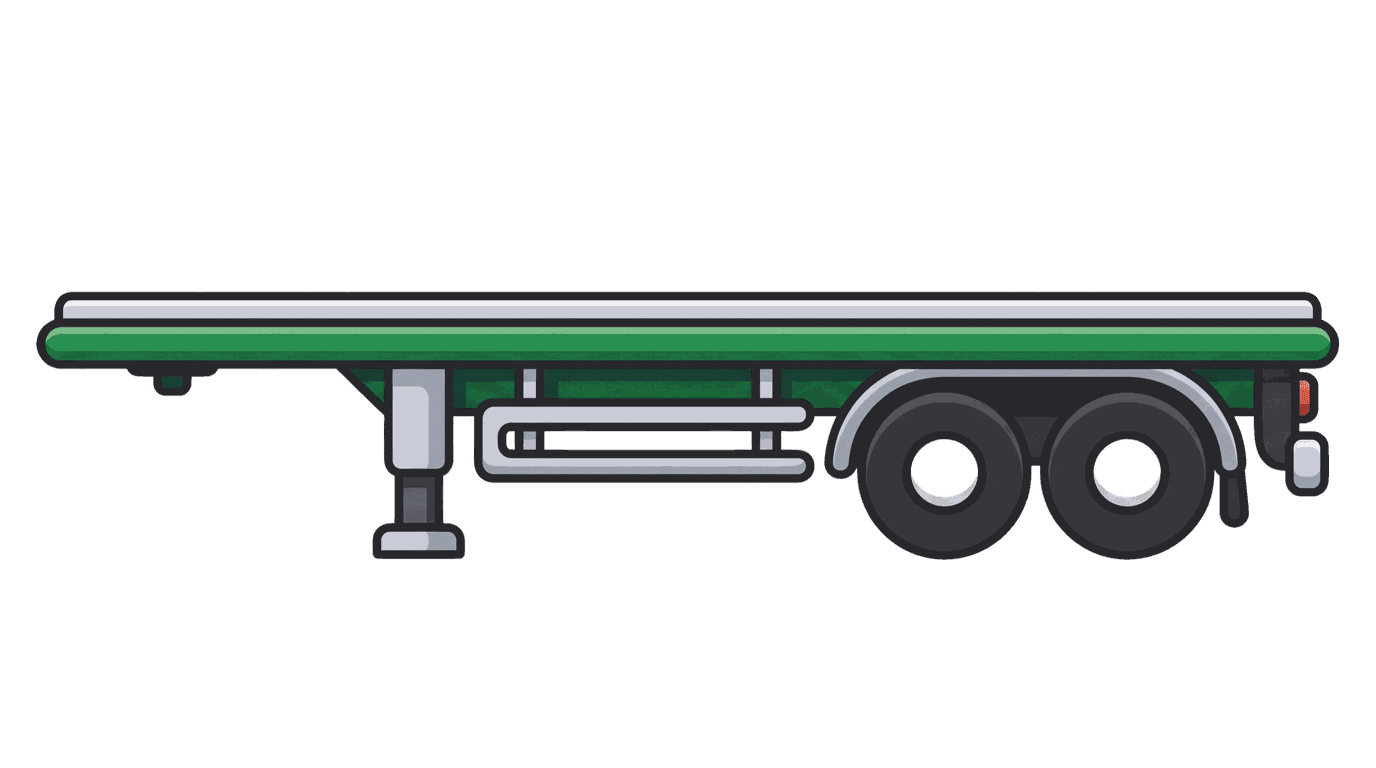
Heavy haul and oversize loads
Lowboys, RGNs, and specialized trailers, permits for each route, and high-value equipment.
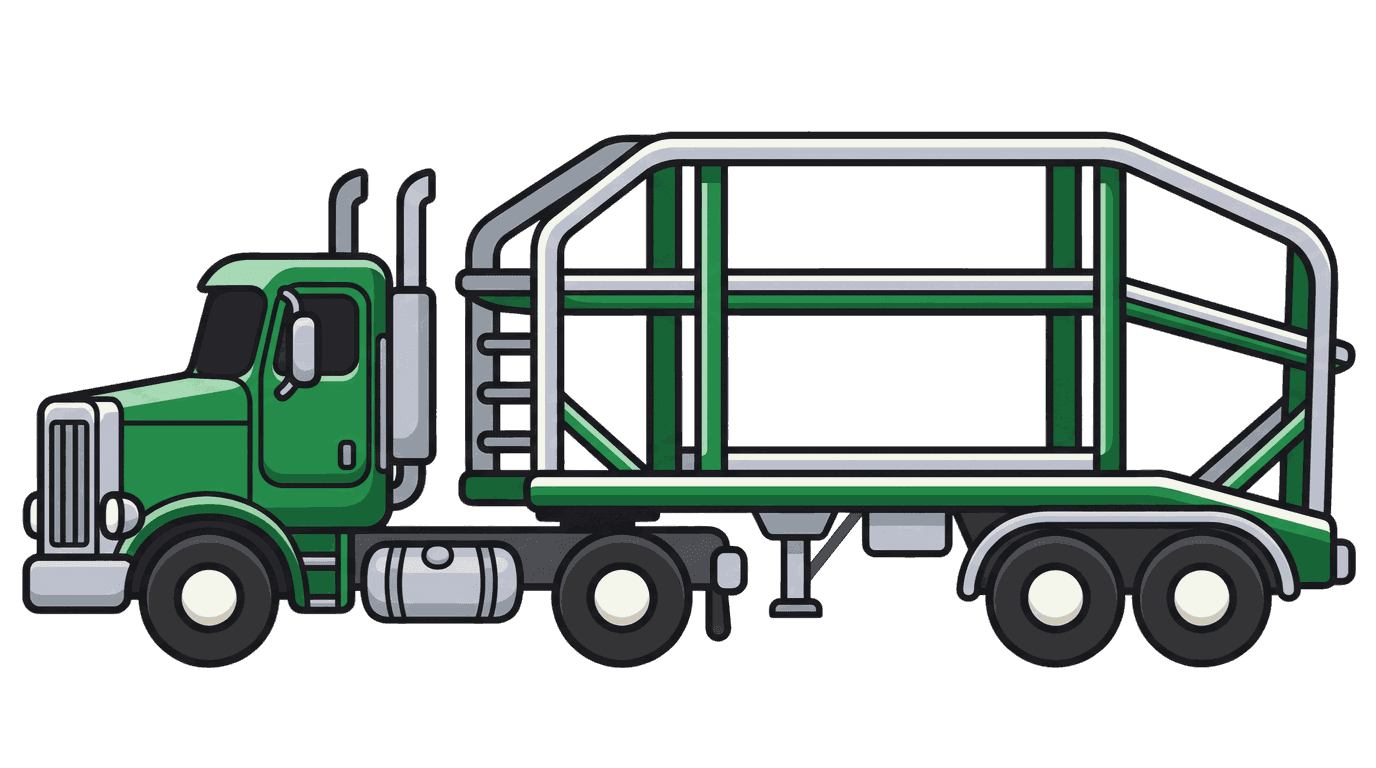
Auto transport (car haulers)
Open or enclosed car carriers, vehicles in your care, and a trailer that can cost as much as the truck.
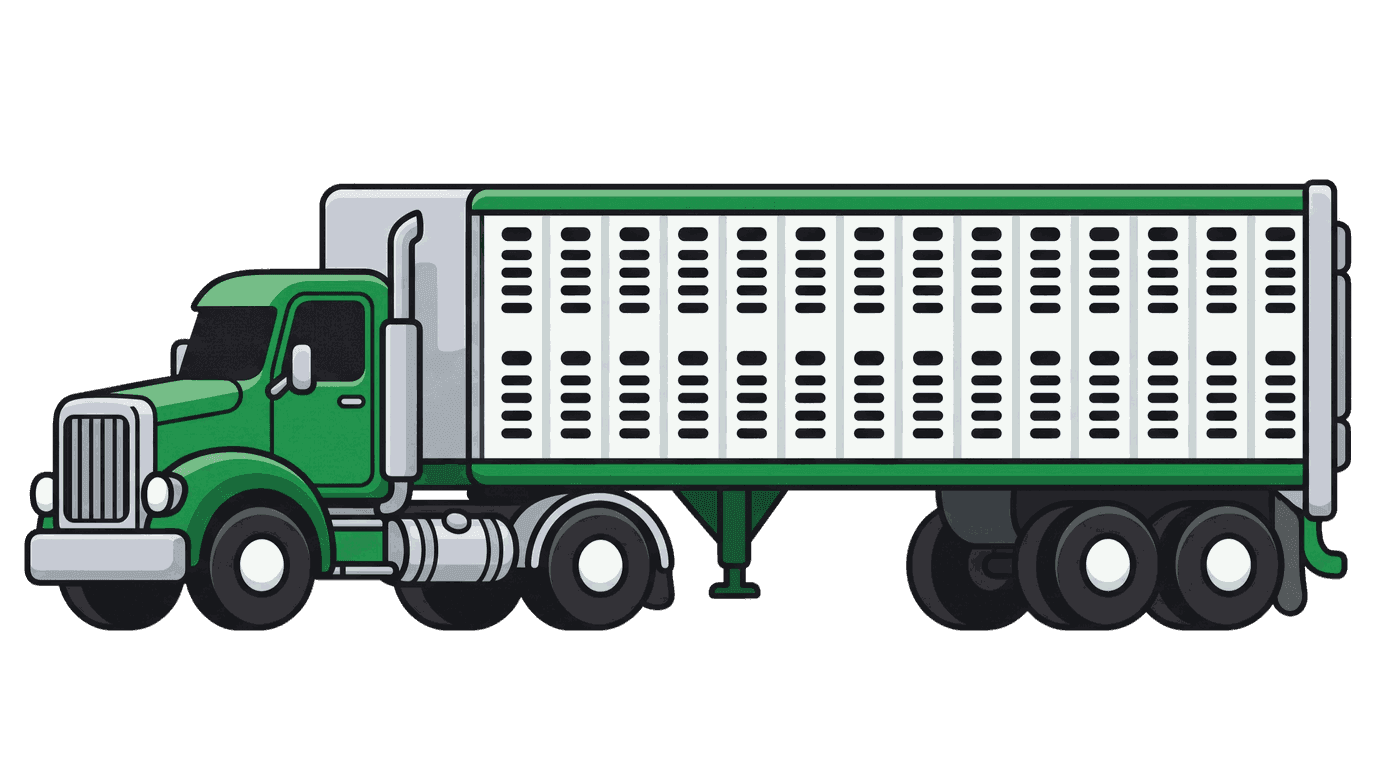
Livestock transportation
Live animals, specialized trailers, and loads that cannot wait.
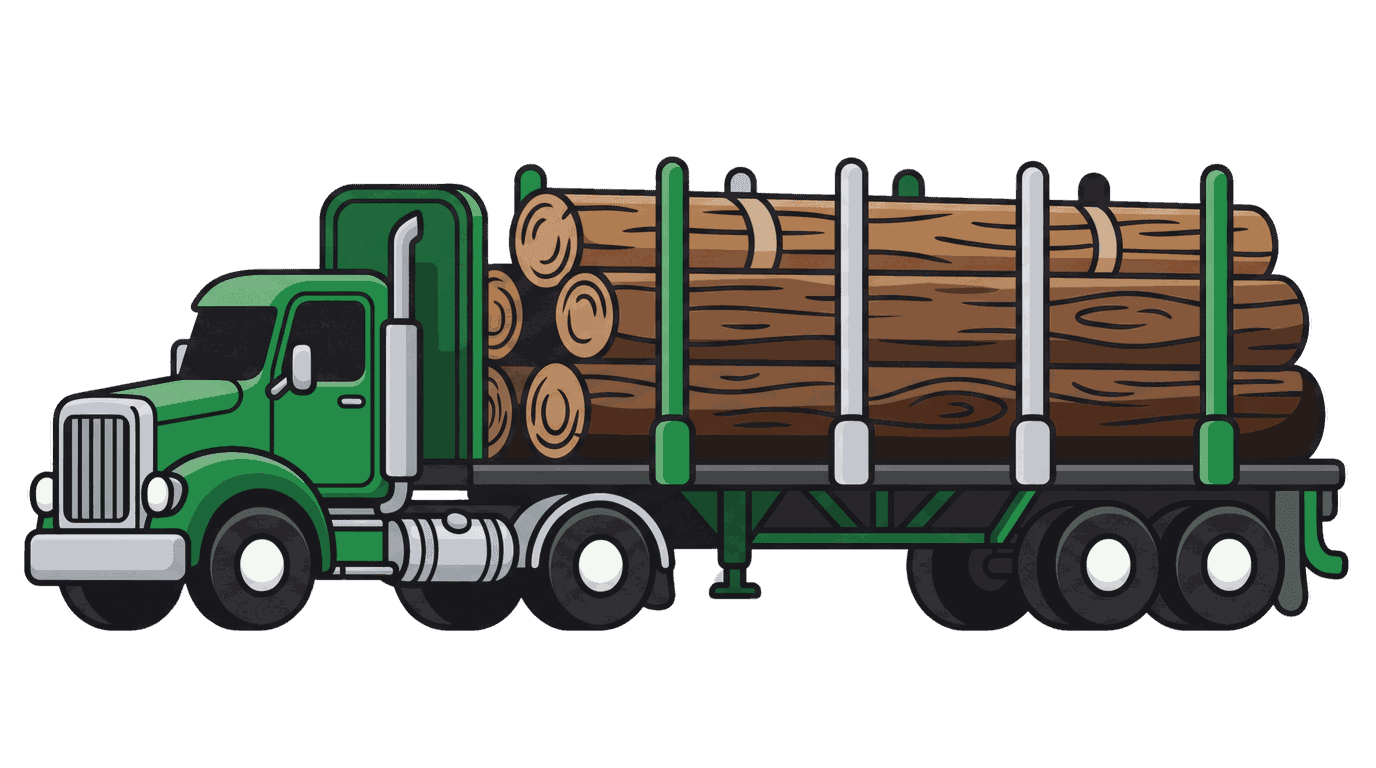
Logging and timber transport
Log trucks and trailers on rough roads, seasonal work, and equipment that wears hard.
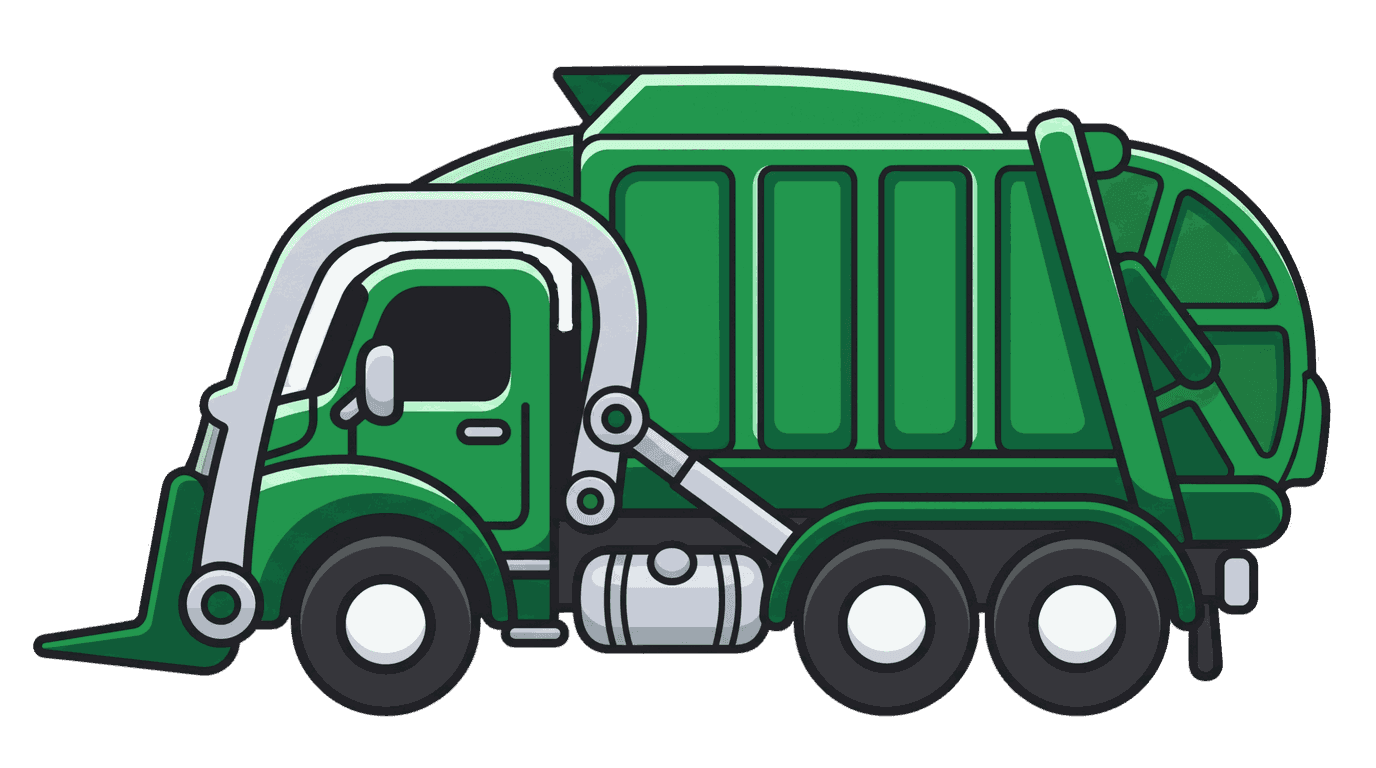
Waste management
Roll-offs, front loaders, and route trucks, with municipal and commercial contracts.
Support, logistics, and brokerage
Operations that arrange, store, escort, or recover freight and the trucks that carry it.
Freight brokerages
Arranging loads for shippers with other carriers' trucks, and paying carriers before shippers pay you.
Freight forwarders
Moving freight across modes and borders for shippers, often consolidating loads.
Third-party logistics (3PL)
Running shipping, storage, or fulfillment for other companies, often with your own trucks too.
Warehousing and distribution centers
Buildings, racking, and forklifts, with customers' goods stored in your care.
Towing and recovery
Wreckers and rollbacks, roadside and accident recovery, and motor-club or police rotation work.
Pilot car and escort services
Escort vehicles for oversize loads, rules that change at each state line, and pay by the job.
Or start with the type of operation
These six pages cover the broader groups, and many operations fit more than one. Every page has the same layout: what the operation usually looks at first, the financing products that come up for it, the insurance lines that come up for it, and a short read on how to think about the whole picture. The reasons on each card come from the product and line pages, so they always agree.
New authority
Owner-operators in their first stretch under their own authority. First truck, first filings, and the insurance questions that come before the first load.
Small fleets
Fleets adding trucks and drivers. Paying for the next unit without choking cash flow, and keeping the insurance schedule current as you grow.
Couriers
Cargo vans, box trucks, and pay by the job. Financing and insurance for lighter vehicles, and where the usual trucking advice does not fit.
OTR and local haul
Tractors and trailers on long lanes or short ones. Long pay cycles, fuel, and coverage that matches where and how you run.
Brokers and dispatchers
People who arrange or coordinate loads. Paying carriers before shippers pay you, the broker bond, and covering your own risk.
Towing and repair
Wreckers, shops, tow yards, and storage lots. Customers' vehicles in your care, and slow-paying fleet and motor-club accounts.
How do these pages work?
Every segment page is general information, not advice about what you should carry or take. We explain what each financing product and insurance line is for, who it usually comes up for, and what to ask. We can't tell you what a provider will offer you, and decisions on financing terms belong to third-party providers, not to us. Licensed insurance partners handle any insurance coverage options. BreadRoute does not lend, and does not sell insurance.
Financing and insurance are separate. Each page shows the financing options and the insurance lines in their own sections, and each section has its own request button, its own disclosure, and its own form. You can start one without the other. Nothing you read here, or start, commits you to the other side.
We leave out anything we can't back up. You will not find prices, rates, or promises about what a provider or insurer will offer on these pages, because those depend on your operation and on the provider or insurer, and we do not set them.
What if I fit more than one?
Plenty of operations do. An owner-operator may also run a few trucks under one authority. A fleet may book freight for other carriers. A tow company may run a repair shop, and a repair shop may run a wrecker. Read each page that fits and note where they differ. If two pages recommend different products for the same need, the difference is usually the size of the operation or where the money comes from, and the product pages explain which is which.
If you arrange transportation of property by other carriers, for pay, read brokers and dispatchers even if you also run trucks. Different rules can apply to that part of your business, and that page explains how.
Frequently asked questions
Which page should I start with?
The one that matches how you earn money today. If your kind of operation has its own page, start there, then read the broader page it belongs to. If you are on a new authority, start with new authority. If you book or coordinate freight for others, start with brokers and dispatchers. If more than one fits, read both.
Do these pages tell me which products I need or qualify for?
No. They explain what each product is for and who it usually comes up for. Whether a provider or insurer will work with you, and on what terms, is their decision, and which coverages you carry is a decision for you, your contracts, and your agency.
Can I start a financing request and an insurance request?
Yes, they are separate. Financing requests go to third-party providers, who make their own decisions on terms. Insurance requests go to licensed insurance partners, who handle any coverage options. You can start either one alone.
Do you rank or name providers or insurers?
No. We explain products and lines. We don't publish provider or insurer rankings.
Last reviewed: