
Financing and insurance for OTR and local-haul operators
Long pay cycles, fuel, and keeping trucks rolling. What over-the-road and local-haul operators usually look at first, and where the two differ.
Short answer
Three things usually come first for an over-the-road (OTR) or local-haul operator. One is tractors and trailers financed to match the miles you will run. Another is cash for fuel and repairs while long payment cycles run. The third is liability, cargo, and physical damage coverage that matches your lanes. The two kinds of operation overlap on most products. OTR work leans on fuel and invoices, and local work often cares more about fuel controls and broad acceptance. Which federal insurance rules apply also depends on whether you cross state lines. Providers and insurers decide what they offer, not us.
Which financing products do OTR and local-haul operators usually look at?
For most OTR and local-haul operators, money problems come from three places: the unit, the gap between delivering and getting paid, and the fuel and repairs in between. These products map to those.
Equipment financing
Tractors and trailers, where mileage and age shape the deal. Match the term to how long the unit will run at your mileage.
Factoring
Long payment cycles and fuel are the usual reason. Check the advance timing and any fuel advance terms.
Line of credit
Fuel and repairs while long payment cycles run. A good fit if your gap shows up every month.
Working capital
Fuel and repairs between long payment cycles. If invoices are the gap, compare it with factoring.
Fuel cards
OTR operators lean on network coverage along their lanes and jurisdiction-level fuel records for IFTA; local operators often care more about controls and broad acceptance. We do not currently route fuel card requests.
SBA loans
7(a) for tractors and trailers, and 504 if the operation is buying or building a yard or terminal.
Accounts receivable financing suits established operators with regular, well-documented invoices, and a single truck's invoice volume may be too small for some providers. Asset-based lending tends to suit carriers with dedicated or contract freight and steady direct-shipper receivables.
Which insurance lines do OTR and local-haul operators usually ask about?
Miles, lanes, and time away from your yard drive most of the details here. Describe your operation accurately, because the wrong description is one of the ways liability coverage most often goes wrong. Policies vary, so read the declarations, definitions, and exclusions.
Primary auto liability
Radius and routes drive the details, so describe your lanes accurately.
Motor truck cargo
Long hauls and drop-and-hook operations add exposure when freight is left unattended. Read the unattended-vehicle conditions.
Physical damage
More miles and more time away from your yard mean more exposure to theft and weather. Read the conditions.
Bobtail and non-trucking liability
Time between dispatches and miles without a trailer both add situations to ask about.
Trailer interchange
Drop-and-hook and dedicated lanes often involve trailers you don't own.
Occupational accident
Long days and time on the road make injury exposure part of the job.
Also worth a look: commercial umbrella if your customers' carrier requirements set higher total limits, cyber if you take loads off boards and face fake loads and account takeover, workers' compensation and management liability if you run employee drivers, and surety bonds, because some fuel-tax licensing jurisdictions may require a bond (ask your base jurisdiction). If you own or rent a yard or terminal, add general liability and commercial property.
How do OTR and local haul differ, and how should you think about each?
Find the shape of your gap. If invoices aging is what pinches, compare factoring with working capital. If the pinch shows up every month, a line of credit is built for that pattern. If the problem is the unit, start with equipment financing. Providers decide terms, and fees, advance timing, and contract length differ, so compare them in writing.
Interstate and local are different insurance questions. Federal financial responsibility rules cover for-hire motor carriers transporting property in interstate or foreign commerce, and carriers hauling hazardous materials in interstate, foreign, or intrastate commerce. For a for-hire carrier hauling nonhazardous property in interstate commerce in a vehicle of 10,001 pounds or more, the minimum is $750,000. Rules for operations inside a single state are different, so check your state's requirements too, and read the carrier requirements in your contracts.
Trailers you don't own and freight you leave behind. Drop-and-hook and dedicated lanes put trailers you don't own and freight left unattended in play. That is where trailer interchange and the conditions in your cargo policy matter most. If you are leased on to another carrier, each lease may call for its own coverage, so read the lease before you assume either way.
Fuel is its own line item. We do not currently route fuel card requests. The fuel cards page explains what to look at: network coverage along your lanes, controls, and records for IFTA.
Which operations does this page cover?
The guidance above applies to these kinds of operations. Where one has its own page, its name links there with the details that are specific to it.
Long haul trucking (OTR)
Tractors on multi-day lanes, long pay cycles, and fuel as the biggest bill.
Less than truckload (LTL)
Many shippers per trailer, terminals and dock work, and freight that changes hands often.
Hotshot trucking
Pickups and medium-duty trucks pulling flatbed or gooseneck trailers on time-sensitive loads.
Aggregate hauling
Dump trucks and end dumps moving sand, gravel, and stone for construction and paving work.
Local haul
Short runs home every night, more stops per day, and customers who often pay on terms.
Moving and relocation
Household and office moves, crews and box trucks, and other people's belongings in your care.
Drayage
Containers between ports, rail yards, and warehouses, with chassis and terminal rules to manage.
Refrigerated (reefer) transport
Temperature-controlled trailers, reefer units to maintain, and loads that spoil if something fails.
Hazardous materials (hazmat) transport
Placarded loads, extra endorsements and filings, and higher stakes when something goes wrong.
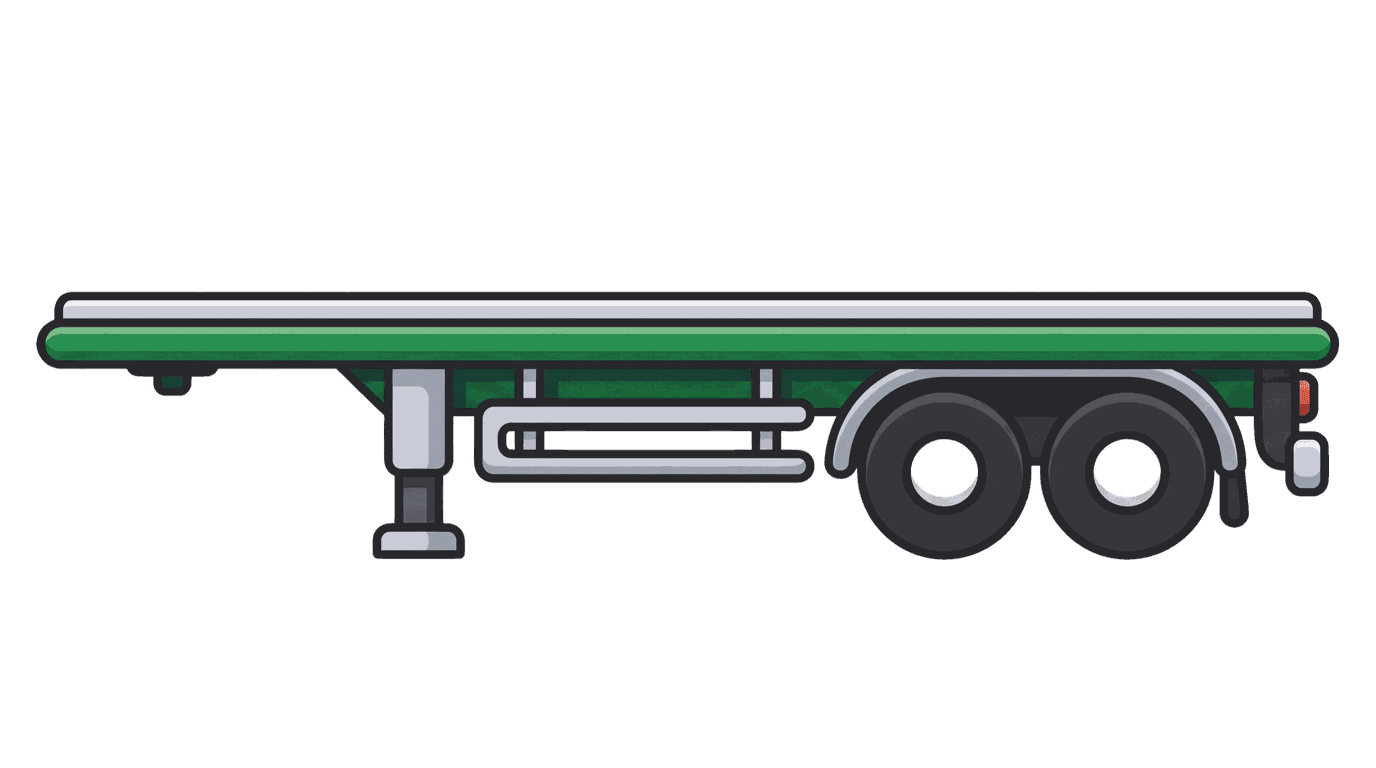
Heavy haul and oversize loads
Lowboys, RGNs, and specialized trailers, permits for each route, and high-value equipment.
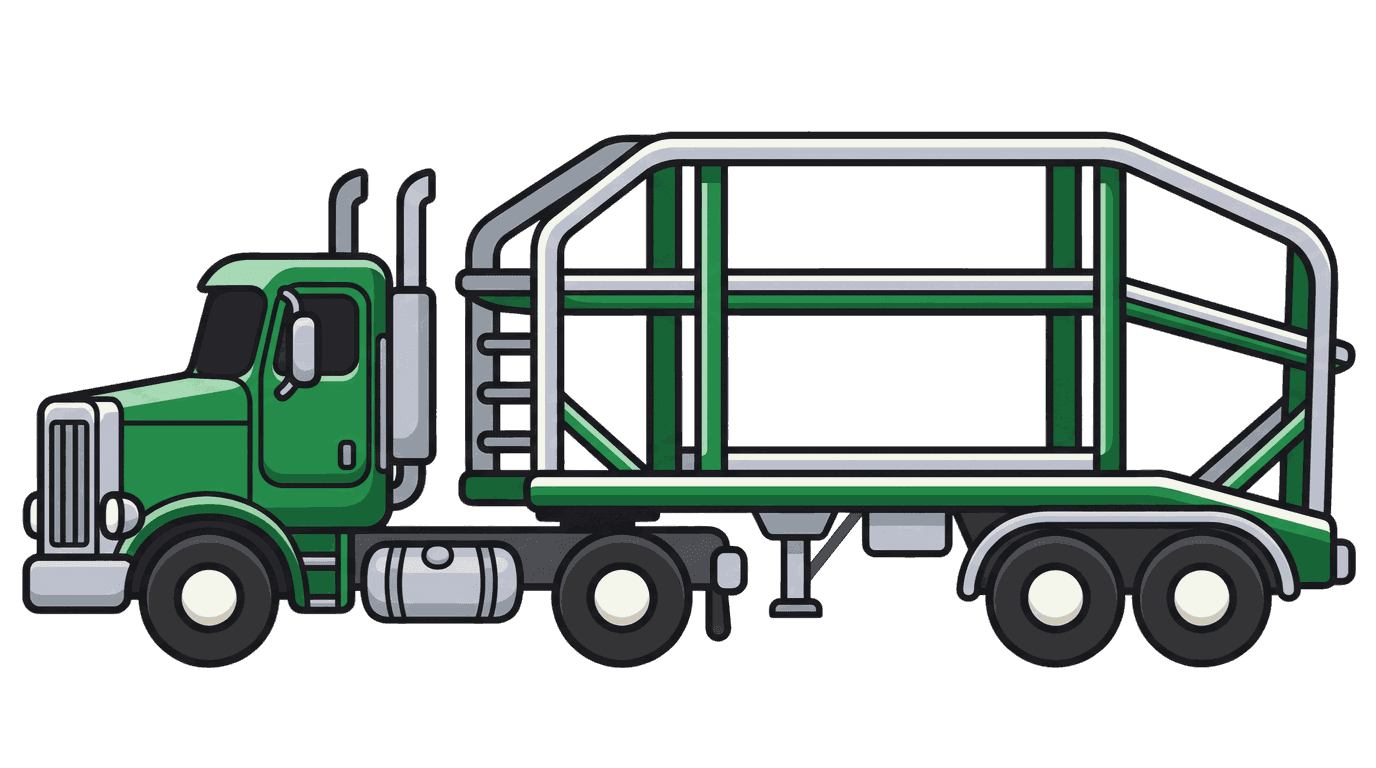
Auto transport (car haulers)
Open or enclosed car carriers, vehicles in your care, and a trailer that can cost as much as the truck.
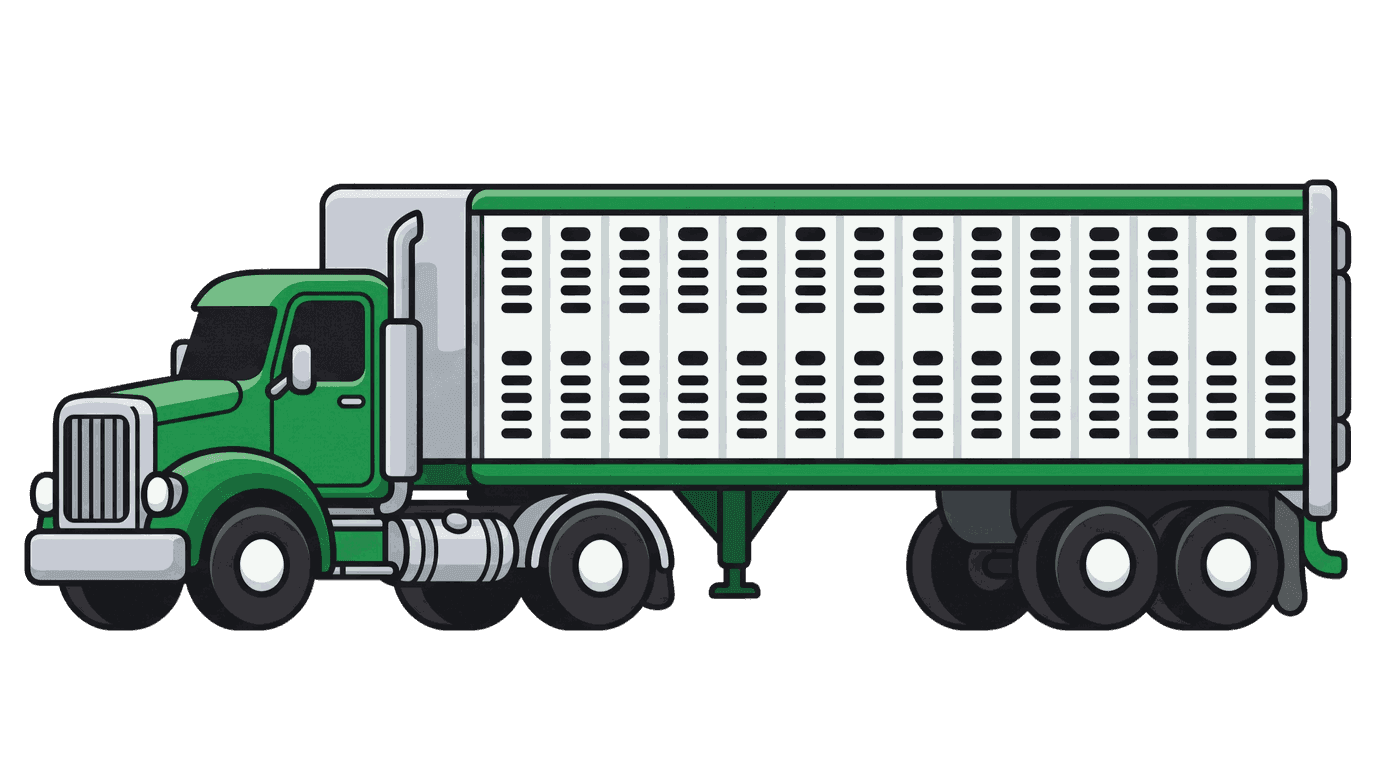
Livestock transportation
Live animals, specialized trailers, and loads that cannot wait.
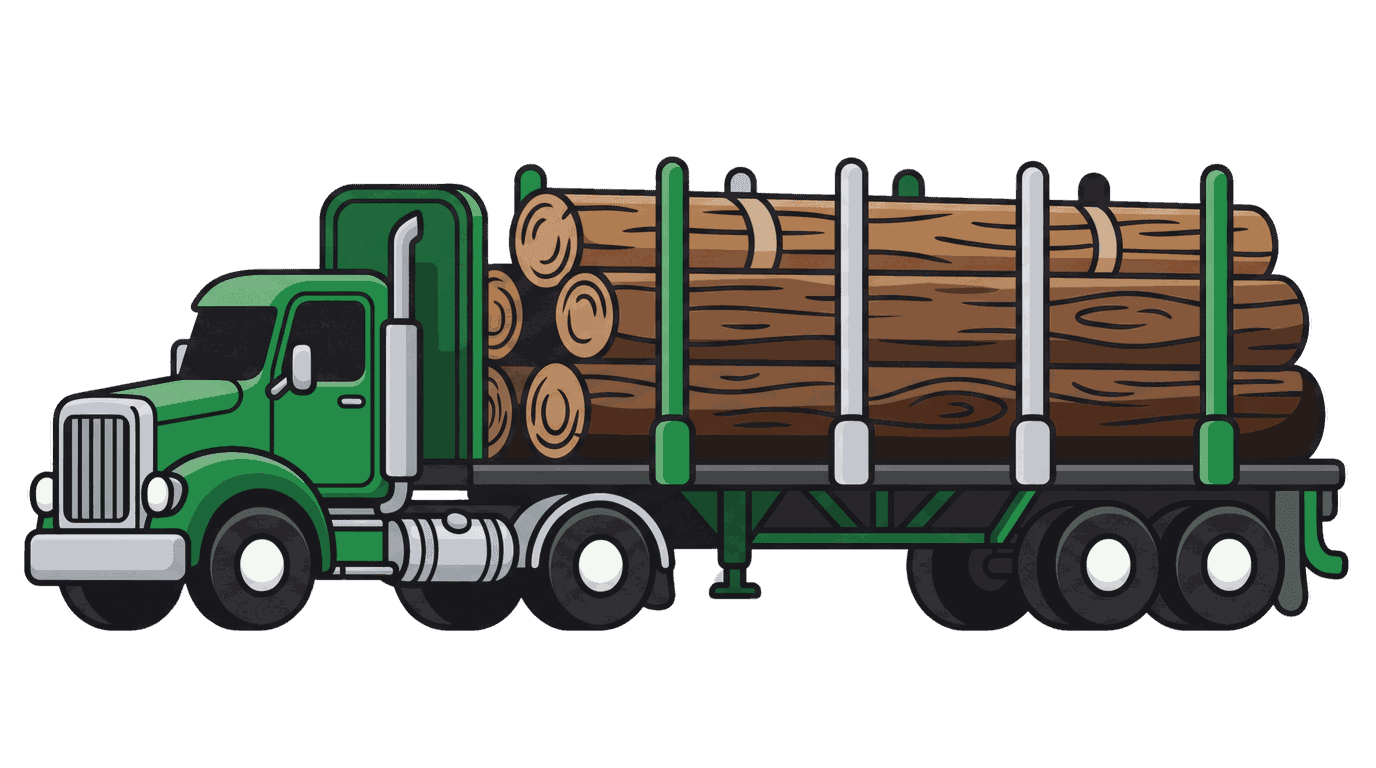
Logging and timber transport
Log trucks and trailers on rough roads, seasonal work, and equipment that wears hard.
Waste management
Roll-offs, front loaders, and route trucks, with municipal and commercial contracts.
Pilot car and escort services
Escort vehicles for oversize loads, rules that change at each state line, and pay by the job.
Frequently asked questions
Is financing different for a local-haul operator than for an OTR operator?
The products are the same. The details providers weigh differ: the age and mileage of the unit, how steady your invoices are, and how long the term runs against how long the unit will run at your mileage. Ask each provider what it wants to see.
Can a single truck use factoring?
Sometimes. Terms and availability vary, and some contracts carry minimums that are heavy for a single truck. Ask about minimums, contract length, and fees before you sign. See factoring.
Do federal insurance minimums apply if I only run local?
It depends. The federal rules cover for-hire carriers hauling property in interstate or foreign commerce, and carriers hauling hazardous materials in interstate, foreign, or intrastate commerce. Rules for operations inside a single state are different, so check your state's requirements and your customer contracts. We can't tell you which apply to you.
What if I'm leased on to another carrier?
Your lease decides a lot. Read it for who carries primary liability, cargo, and physical damage, and ask your insurance agent what the coverages you carry do and don't cover. Bobtail and non-trucking liability are the lines most often asked about in this situation. Each lease may call for its own coverage.
What do drop-and-hook lanes change for insurance?
They put trailers you don't own and freight left unattended in play. Ask about trailer interchange, and read the unattended-vehicle conditions in your cargo policy.
Sources
- 49 CFR 387.7, Financial responsibility required, Electronic Code of Federal Regulations, 2026
- 49 CFR 387.9, Financial responsibility, minimum levels, Electronic Code of Federal Regulations, 2026
- 49 CFR 387.3, Applicability, Electronic Code of Federal Regulations, 2026
Last reviewed: