
Financing and insurance for new-authority owner-operators
Your first truck, your first filings, and your first year. What owner-operators with a new authority usually look at, and what to ask.
Short answer
Three things usually come first for a new authority. One is liability insurance that meets the federal minimum and your customers' requirements before you operate. Another is a way to pay for the truck. The third is cash for the stretch between delivering a load and getting paid. With a short history, options on both the financing and insurance sides can be narrower, and no one can promise what a provider or insurer will offer. A request lets providers and licensed insurance partners tell you what, if anything, they can do.
Which financing products do new-authority owner-operators usually look at?
These are the products that come up most for a first-year authority. A thin history is the main hurdle for most of them, so providers tend to look at how long your authority has been active, your credit, your down payment, and the unit or invoices behind the request. Providers decide, not us.
Equipment financing
Usually the first truck or first trailer. A bigger down payment, a newer unit, or a co-signer can change what a provider will consider.
Factoring
Often one of the first to look at, because the decision leans on your customers' credit more than on your own history. Minimums can be heavy for a single truck.
Working capital
Startup costs, insurance down payments, and a slow first month. Options with thin history are narrower, so check the total you would repay.
Fuel cards
A simple way to separate business fuel from personal spending from day one. Expect tighter limits or prepaid options at first. We do not currently route fuel card requests.
SBA loans
Possible, but the bar is higher, and lenders lean on projections and your personal credit. Microloans can be a smaller starting point.
Line of credit, accounts receivable financing, and asset-based lending usually come later. Lines for newer businesses can be harder to find and can carry lower limits, and receivables-based products tend to want invoice history first. If banks have said no and a merchant cash advance comes up, read that page first and look at factoring before you decide, because factoring is based on loads you have already delivered.
Which insurance lines do new-authority owner-operators usually ask about?
If you run under your own authority, insurance questions come early, and several of them come from other people: federal rules, brokers, shippers, and whoever financed your truck. These lines come up most. Policies vary by insurer, so read the declarations, definitions, and exclusions in your own.
Primary auto liability
If you run under your own authority, this is usually the first coverage to sort out, and the one federal rules most directly touch.
Motor truck cargo
Brokers often ask for proof of cargo coverage before tendering a load. Have your limit and commodity answers ready before you start calling.
Physical damage
If you financed your first truck, expect the company financing it to require this. Ask for the minimum before you shop.
Occupational accident
Running alone with no employees means no workers' compensation policy by default, so know what protects you if you are hurt.
Bobtail and non-trucking liability
If you run under another carrier's authority first, know what these cover. They don't carry over as primary liability if you get your own authority later.
General liability
Some shippers and brokers ask for general liability certificates, and a home office or a shared lot raises questions about your policy and your landlord.
Workers' compensation may not apply to a sole owner with no employees, and it likely will once you hire. Contingent auto liability is generally not for a carrier with its own trucks.
How should a new authority think about the first year?
Insurance has a clock that financing does not. Federal rules say a motor carrier cannot operate a motor vehicle until the minimum level of financial responsibility is in effect. For a for-hire carrier hauling nonhazardous property in interstate commerce in a vehicle with a gross vehicle weight rating of 10,001 pounds or more, that minimum is $750,000. Vehicles under 10,001 pounds are generally outside those rules, hazardous materials have higher minimums, and rules for operations inside a single state are different, so check your state's requirements too. A federal minimum is a floor. Shippers, brokers, and lenders can ask for more.
The two requests go in different directions. Financing providers usually want the unit insured, often with the provider named on the policy, so the two questions come up together. They are still separate requests: financing goes to third-party providers, and insurance goes to licensed insurance partners. Start whichever is blocking you first, and the other when you are ready.
Expect "no" from some places, and ask why. With little history, some providers will pass and others will not. What usually matters is time under your own authority, credit, down payment, and the unit. Ask each provider what it wants to see, and don't assume any structure is open to you.
Read for fees before terms. Ask for the full list of fees in writing. Be wary of anyone who wants money before they have issued terms.
Have the basics ready. For financing: your MC or DOT number and the date your authority became active, recent business bank statements, and details of the unit. For insurance: what you haul, where you run, and which units and drivers you want listed.
Which operations does this page cover?
The guidance above applies to these kinds of operations. Where one has its own page, its name links there with the details that are specific to it.
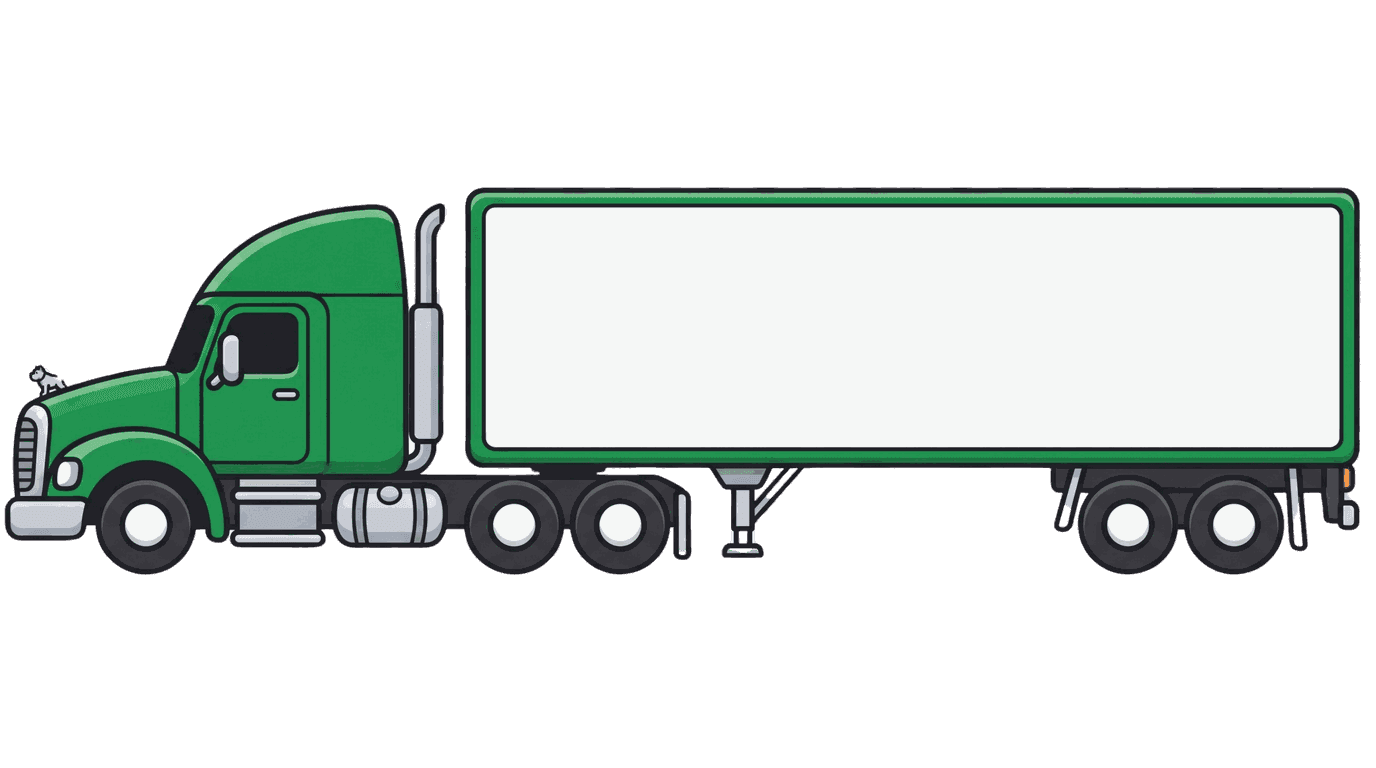
Long haul trucking (OTR)
Tractors on multi-day lanes, long pay cycles, and fuel as the biggest bill.
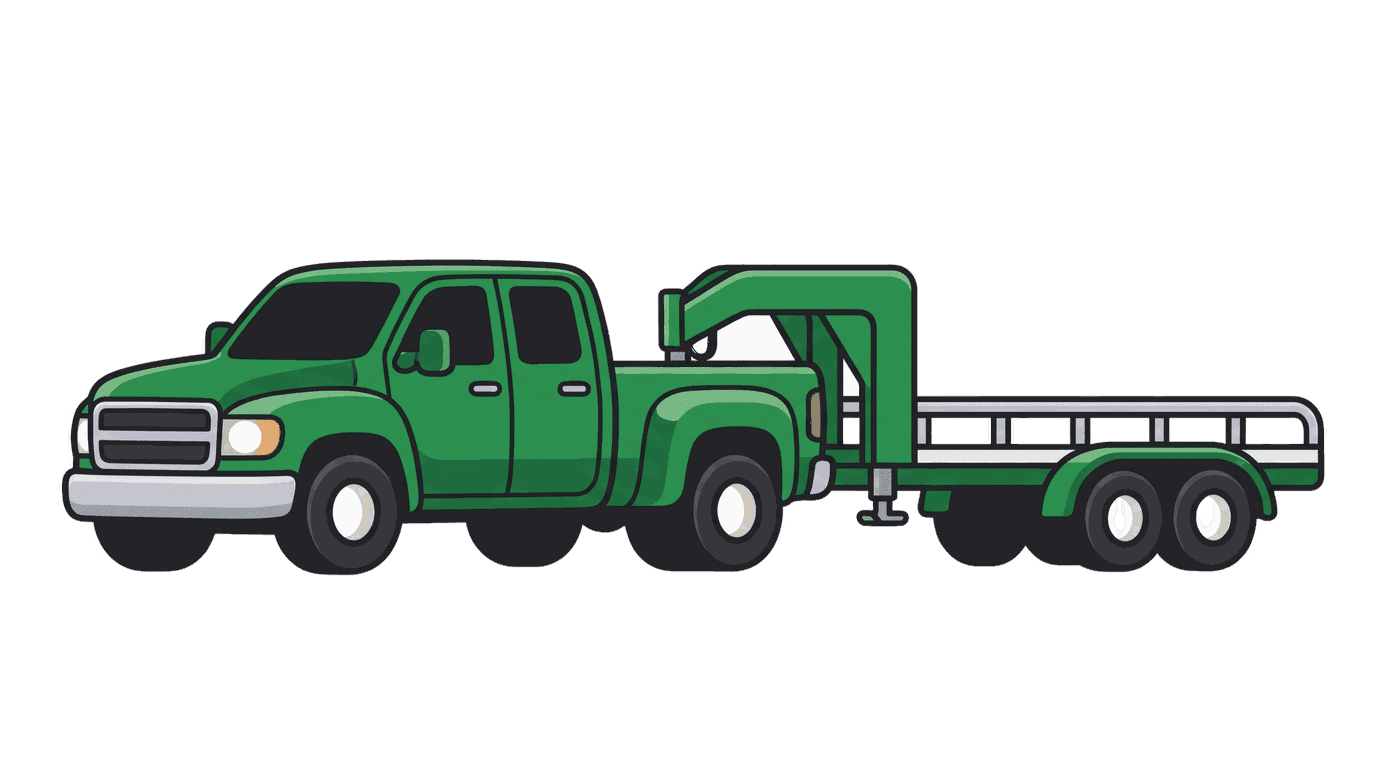
Hotshot trucking
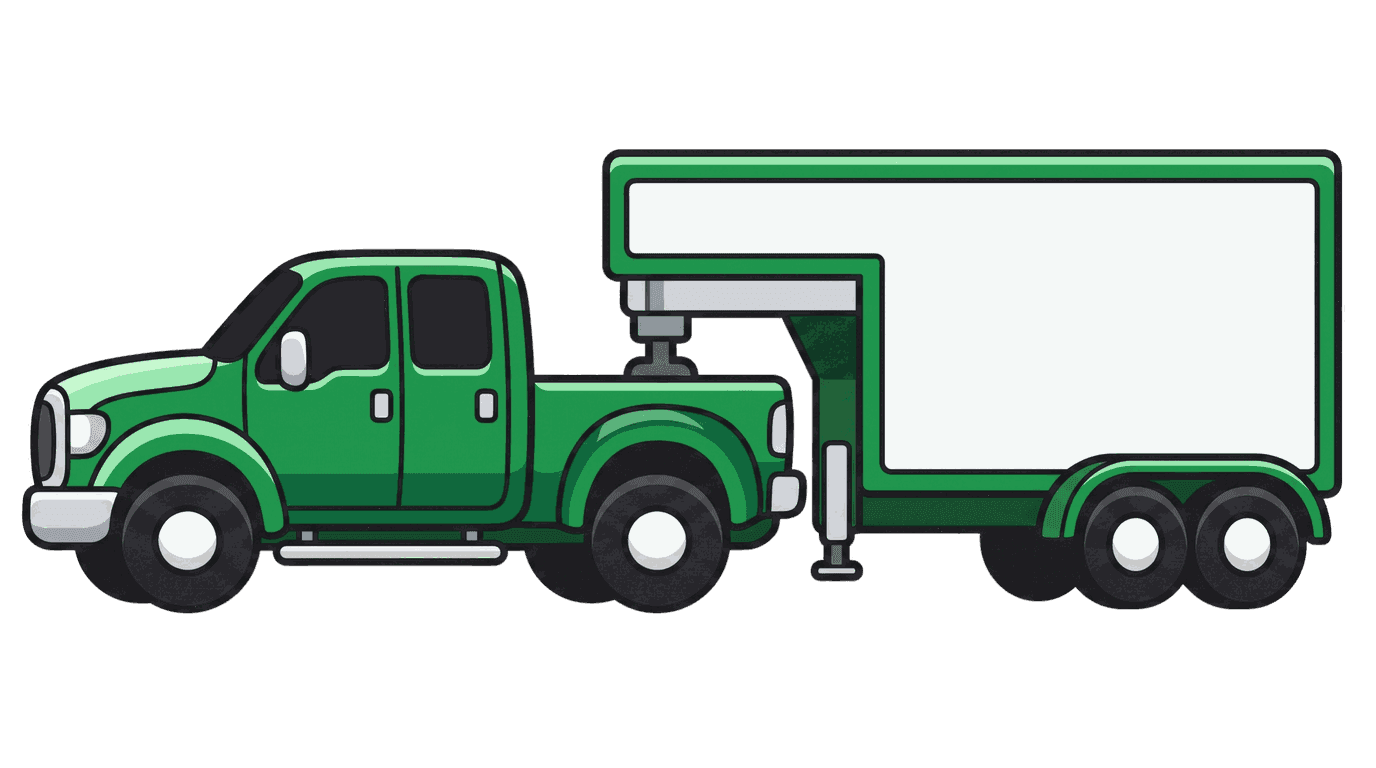
Pickups and medium-duty trucks pulling flatbed or gooseneck trailers on time-sensitive loads.
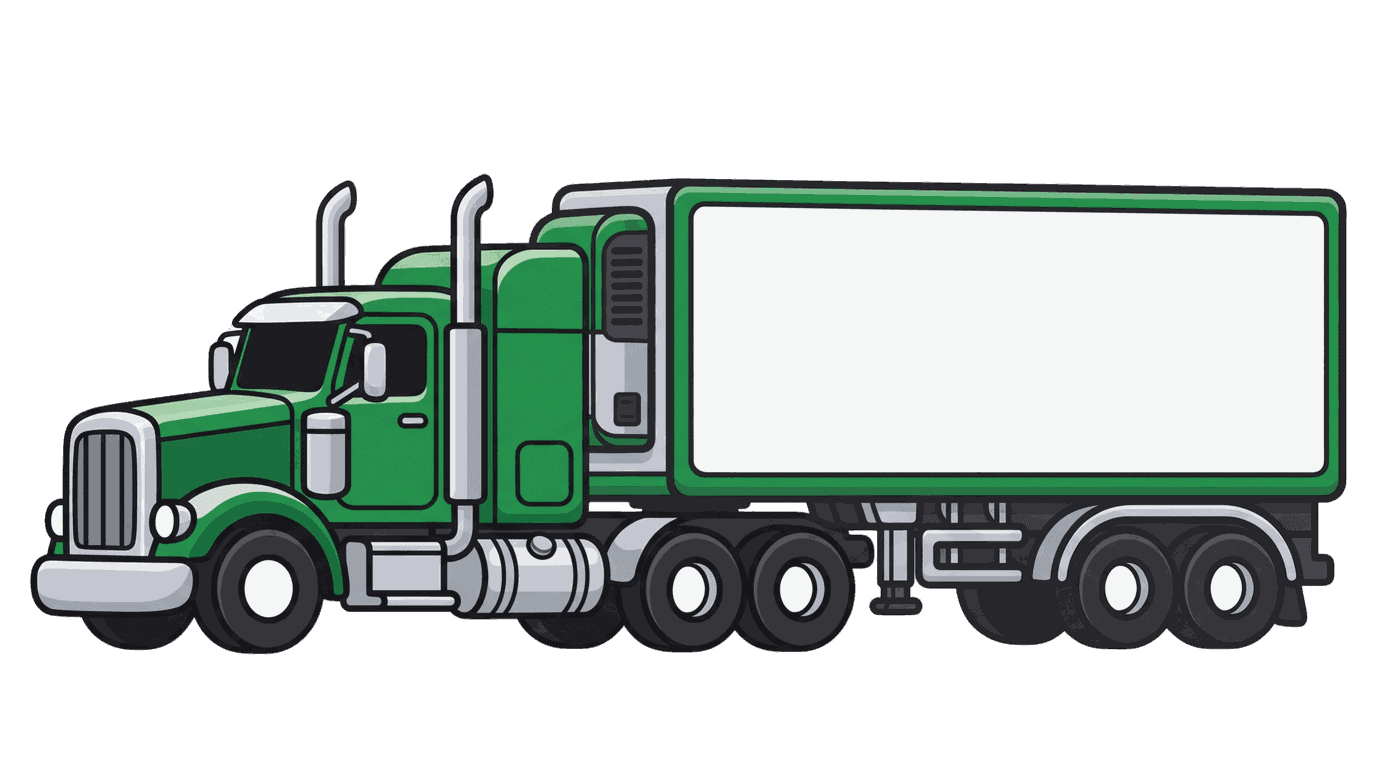
Refrigerated (reefer) transport
Temperature-controlled trailers, reefer units to maintain, and loads that spoil if something fails.
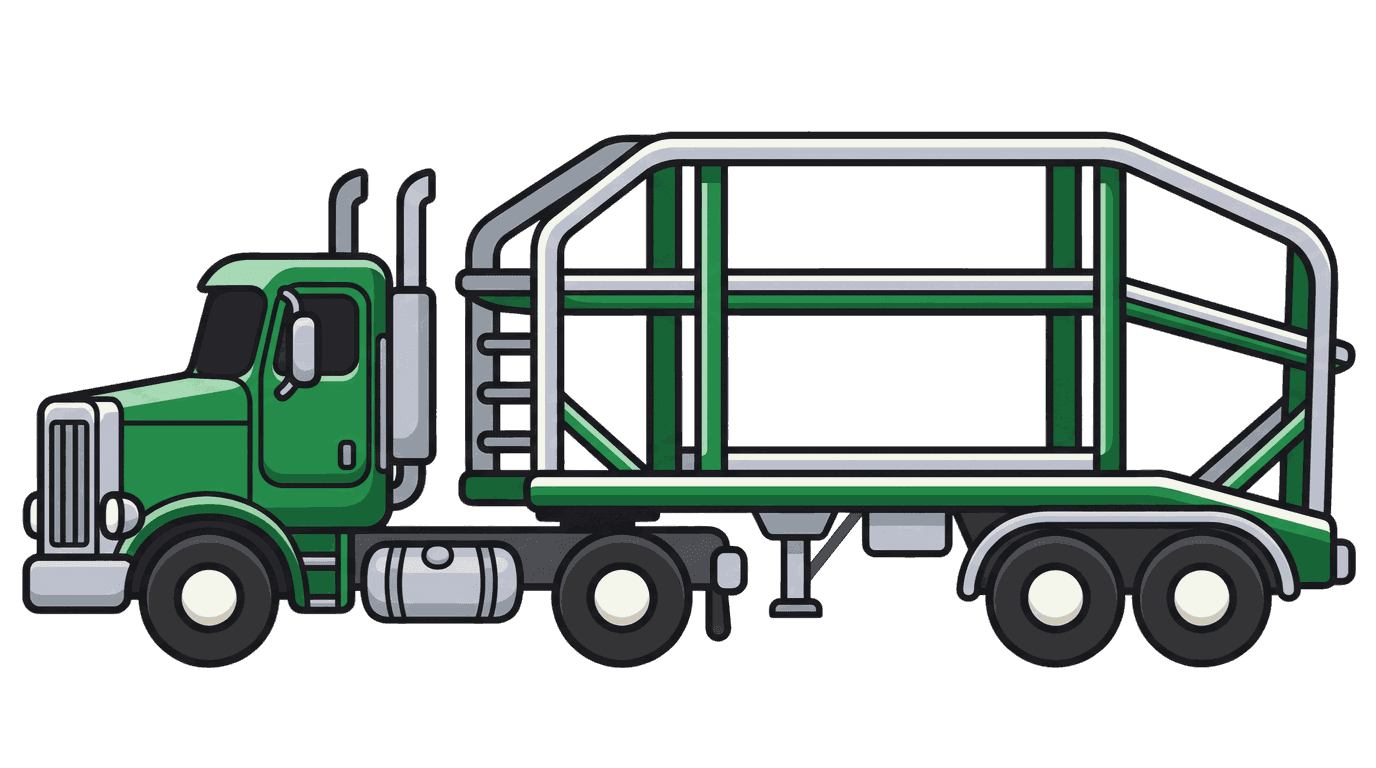
Auto transport (car haulers)
Open or enclosed car carriers, vehicles in your care, and a trailer that can cost as much as the truck.
Pilot car and escort services
Escort vehicles for oversize loads, rules that change at each state line, and pay by the job.
Frequently asked questions
Can I get financing with a brand-new authority?
Sometimes. Some providers work with new authorities, and others want more time first. What usually matters is time under your own authority, revenue or invoices, credit history, down payment, and the unit itself. No one can promise an offer, but a request lets providers tell you what, if anything, they can do.
What insurance do I need before my first load?
It depends on how you operate and who you haul for. For a for-hire carrier hauling nonhazardous property in interstate commerce in a vehicle of 10,001 pounds or more, federal rules require a $750,000 minimum in effect before you operate. Brokers, shippers, and lenders often ask for cargo coverage, higher limits, or both. We can't tell you what you need. Licensed insurance partners handle any coverage options.
Should I look at factoring or equipment financing first?
It depends on what the money is for. Equipment financing pays for a unit. Factoring turns invoices you have already issued into cash sooner, and the decision leans on your customers' credit. If the truck is the problem, start with equipment financing. If the gap is cash while invoices age, look at factoring.
Is a merchant cash advance a way around a "no" from a bank?
We can't tell you what to take. Read how repayment works before you sign anything, because a merchant cash advance is typically repaid by regular debits from your deposits, and thin deposit history can limit options or change the cost. See the merchant cash advance page, and look at factoring first.
What should I have ready?
For financing: your MC or DOT number and the date your authority became active, recent business bank statements, and details of the unit. For insurance: what you haul, where you run, and which units and drivers you want listed. Providers and insurance partners may ask for more.
Sources
- 49 CFR 387.7, Financial responsibility required, Electronic Code of Federal Regulations, 2026
- 49 CFR 387.9, Financial responsibility, minimum levels, Electronic Code of Federal Regulations, 2026
- 49 CFR 387.3, Applicability, Electronic Code of Federal Regulations, 2026
Last reviewed: