
Motor truck cargo
Coverage for the freight on your trailer, and the exclusions that decide whether a claim is paid.
Short answer
Motor truck cargo coverage is generally the coverage that responds when freight you are hauling is lost, stolen, or damaged while in your care. It is separate from primary auto liability, which covers harm to other people, not the load. Broker and shipper contracts often ask carriers to show cargo coverage even when federal rules don't, and the exclusions and conditions in your policy decide whether a given loss is paid.
How does motor truck cargo coverage work for a trucking operation?
When you accept a load, you are responsible for it from pickup to delivery. If it is damaged, stolen, or lost in transit, the shipper or broker may hold you responsible for the loss. Motor truck cargo coverage is the policy that generally pays for covered losses to the goods, up to your cargo limit. It is the coverage brokers and shippers usually mean when they ask for "cargo insurance."
Cargo limits are per-vehicle or per-load amounts, and some policies add per-occurrence caps. Read how your limit applies, because a limit that is fine for one haul may be too low for another.
Federal rules. The federal cargo security requirement we found applies to household goods carriers: $5,000 for loss of or damage to household goods on any one motor vehicle, and $10,000 in aggregate for losses at one time and place. Household goods carriers file a cargo certificate (Form BMC-34) with FMCSA. The federal minimum financial responsibility rule for general freight carriers, 49 CFR 387.9, is about liability to the public, not cargo. That is why cargo limits for most freight carriers are driven by brokers, shippers, and contracts.
Many cargo policies also have a "reefer breakdown" endorsement, a "debris removal" provision, or sublimits that apply to certain goods. These are examples of terms to look for, not features every policy includes.
What does motor truck cargo cover, and what doesn't it?
Policies vary. Read your declarations, definitions, and exclusions. In general:
Often covered
- Loss of or damage to covered freight in your care, custody, or control during transit
- Named causes of loss, which can be listed (named perils) or broad (all risk with exclusions), depending on the policy
- Theft, fire, collision, and overturn, under many policies, subject to conditions
Often not covered, or covered only with conditions
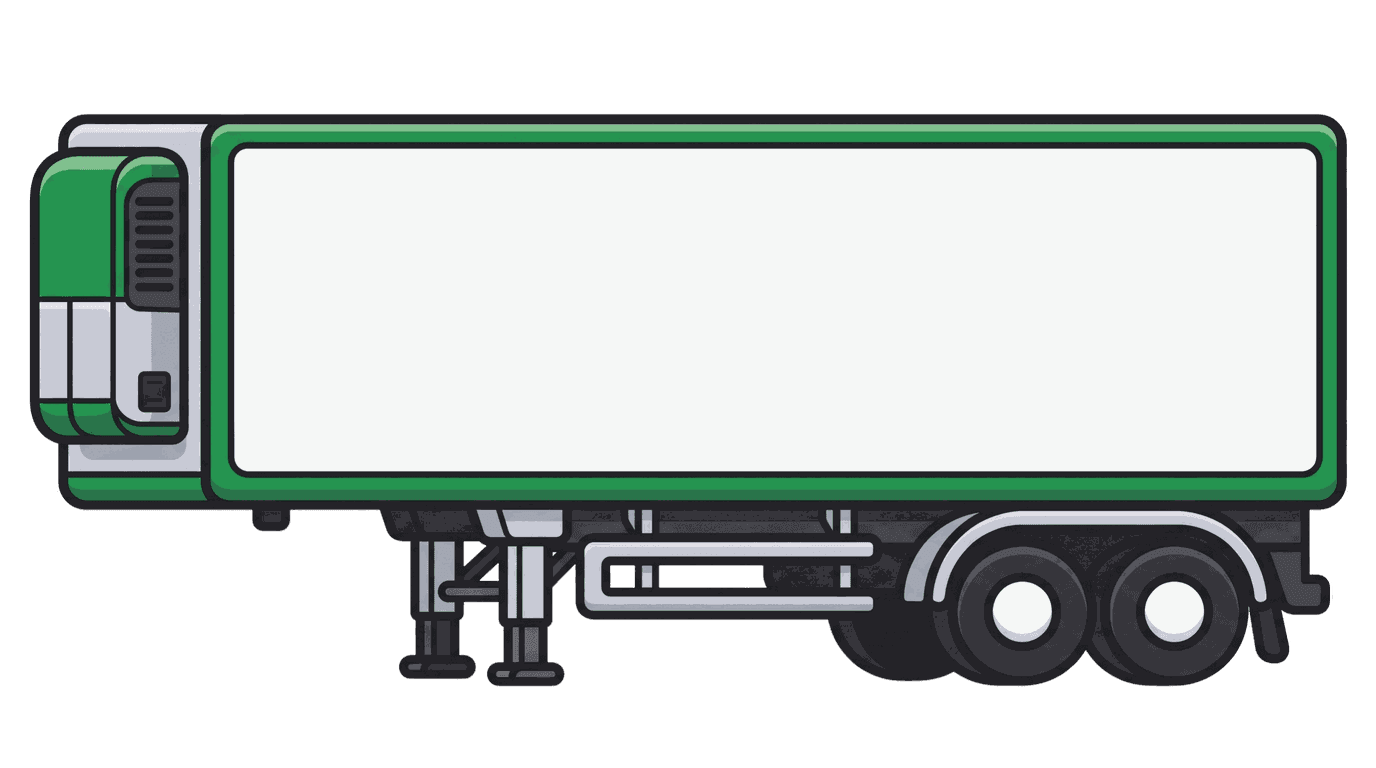
- Temperature-controlled loads. Spoilage from a reefer unit failing is commonly excluded unless a reefer breakdown endorsement is added.
- Unattended vehicle theft. Many policies limit or exclude theft from a truck left unattended, or require specific security conditions.
- Commodity restrictions. Some goods, such as electronics, tobacco, alcohol, precious metals, and livestock, are often limited or excluded, or need a scheduled endorsement.
- Freight in the wrong place. Cargo held in a terminal or warehouse, or on an unlisted unit, may fall outside the coverage.
- Delay and consequential loss. Missed delivery windows and lost business are often excluded.
- Improper packing, inherent vice, or shipper error. Common exclusions.
- Your own equipment. That is physical damage or trailer interchange.
These are common patterns, not universal ones. A single exclusion can decide a claim, so read yours before the load, not after the loss.
What affects the cost of motor truck cargo coverage?
We don't publish prices. Cost is set by insurers and the licensed agents you work with. The factors that generally move it:
- Commodity. What you haul, and whether any of it is a restricted or high-value goods class
- Limit per load or per vehicle. The higher the limit you need, the more it can affect cost
- Radius and routes. How far you run, and through which areas
- Deductible. How much of each loss you carry yourself
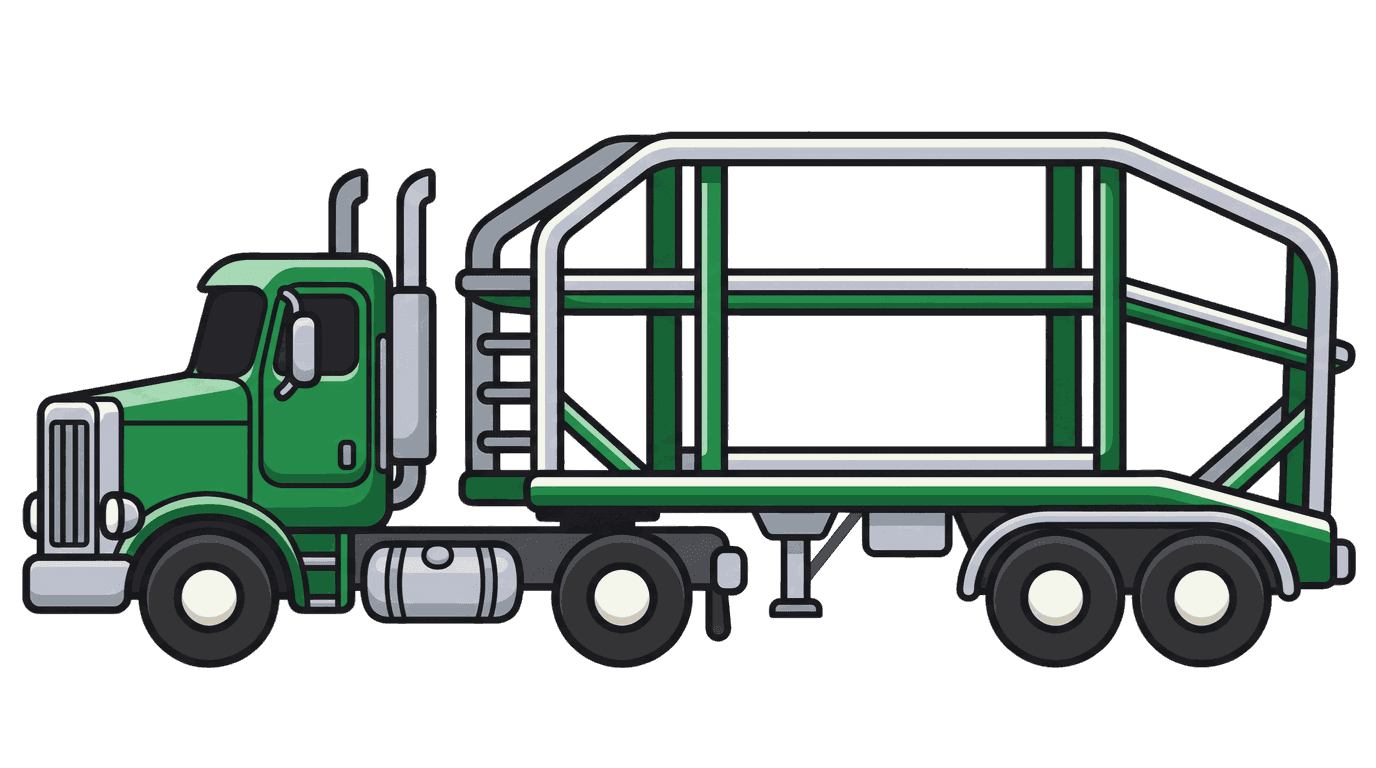
- Equipment type. Dry van, reefer, flatbed, or other
- Claims history and experience. Your loss record and time under authority
- Endorsements. Reefer breakdown, additional insured status, and others
- Contract requirements. What a broker or shipper requires for limits and wording
Coverage needs guide
Open the full toolCoverages
Example only
Required by federal rule
Where a federal regulation says so for your answers. Read the rule, and ask your agent how it fits your vehicles.
Primary auto liability
Federal rules require a for-hire carrier of property in interstate commerce to have minimum financial responsibility in effect before it operates: $750,000 for nonhazardous property in a vehicle with a gross vehicle weight rating (GVWR) of 10,001 pounds or more.
Commonly required by contracts
Federal rules do not set these for most operations. Shippers, brokers, lessors, lenders, and the carriers you lease to often do. Your own contract controls.
Motor truck cargo
The federal liability minimums cover harm to the public, not the load, so shippers and brokers set cargo limits in their contracts.
Physical damage
Lenders and lessors commonly require it on a financed or leased unit. The federal rules we cite cover liability to the public, not your own equipment.
Trailer interchange
Comes up if you pull trailers you do not own under a written interchange agreement. The agreement often sets the coverage you are required to carry.
Commercial umbrella
Contracts commonly set liability limits above a base policy, and an umbrella is one way to close the gap. Whether one can sit over trucking auto liability varies by insurer.
Worth asking your agent about
We found no rule we can cite that makes these a requirement for your answers. They come up for operations like yours.
Occupational accident
A private policy, mainly for independent owner-operators who are not covered by workers' compensation. Some carriers require it of owner-operators they lease. No law we cite requires it.
General liability
Covers injury or damage tied to your premises or operations, not your trucks on the road. Some shippers, brokers, and landlords ask for a certificate.
Workers' compensation
Set largely by state law. Which employers must carry it and who counts as an employee vary by state. If you have employees, ask your state workers' compensation agency.
Not a requirements list. Confirm with a licensed agent.
Example answers, not your operation.
Who typically needs motor truck cargo coverage?
- New authority: Brokers often ask for proof of cargo coverage before tendering a load. Have your limit and commodity answers ready before you start calling.
- Small fleets: Fleets often carry a cargo limit that fits the largest regular load. Ask how the limit applies per unit versus per occurrence.
- OTR and local haul: Long hauls and drop-and-hook operations add exposure when freight is left unattended. Read the unattended-vehicle conditions.
- Couriers: Parcels and expedited loads can be a restricted class. Ask what your policy says about the goods you carry.
- Brokers and dispatchers: Brokers don't haul freight, so cargo coverage is usually your carriers' job. Contingent cargo coverage is a separate product some brokers look at.
- Towing and repair: A towed vehicle is not cargo in most policies. See on-hook towing.
What do agencies and insurers usually ask for?
- Your USDOT and MC numbers and authority date
- The commodities you haul, any you want covered that are restricted, and the highest value of a typical load
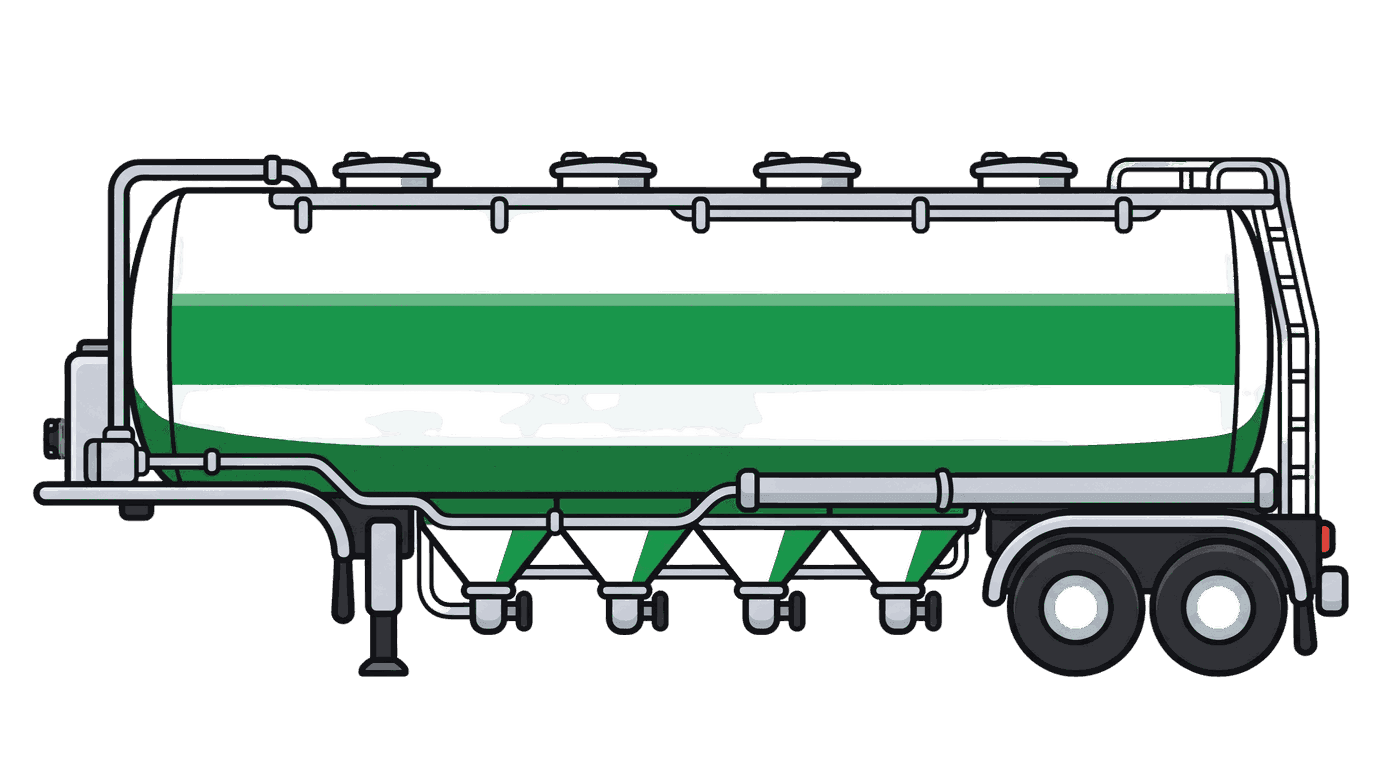
- Your equipment: dry van, reefer, flatbed, tanker, or other
- Your radius and the states you run
- Loss history or loss runs from prior insurers
- Any contract, broker, or shipper requirement for limit, wording, or certificate holder
Ask for your certificate of insurance when the policy is issued, and check that the cargo limit and certificate holder match what your contract requires.
Frequently asked questions
Is cargo insurance required by law?
For general freight carriers, the federal financial responsibility rules we cite cover liability to the public, not cargo. The federal cargo requirement we found applies to household goods carriers. Brokers, shippers, and contracts commonly require cargo coverage anyway. Check your state and your contracts.
What cargo limit do I need?
It depends on what you haul and what your contracts require, and we can't tell you a number. Start from the highest-value load you expect to carry and the limit your broker or shipper lists, then ask your insurance agent what is available.
Why was my cargo claim denied?
The usual reasons are an exclusion (reefer breakdown, unattended theft, a restricted commodity), a condition you didn't meet, or an operation not described on the policy. Read the exclusions and conditions before you haul, and keep records of loads, seals, and condition at pickup and delivery.
Does cargo coverage include my trailer?
No. Cargo covers the freight. Damage to your trailer is physical damage, and damage to a trailer you don't own is trailer interchange.
What is reefer breakdown coverage?
An endorsement some policies offer to cover spoilage when a refrigeration unit fails, often with conditions about maintenance and temperature monitoring. Not every policy has it, and terms vary. Ask for the wording.
Does BreadRoute sell cargo insurance?
No. BreadRoute is not a licensed insurance agency. If you start an insurance request, it goes to licensed partners, who handle any coverage options.
Sources
- 49 CFR 387.303, Security for the protection of the public: Minimum limits, Electronic Code of Federal Regulations, 2026
- 49 CFR 387.313, Forms and procedures, Electronic Code of Federal Regulations, 2026
- 49 CFR 387.9, Financial responsibility, minimum levels, Electronic Code of Federal Regulations, 2026
Last reviewed: