
Invoice Factoring for Construction Companies: A Complete Guide
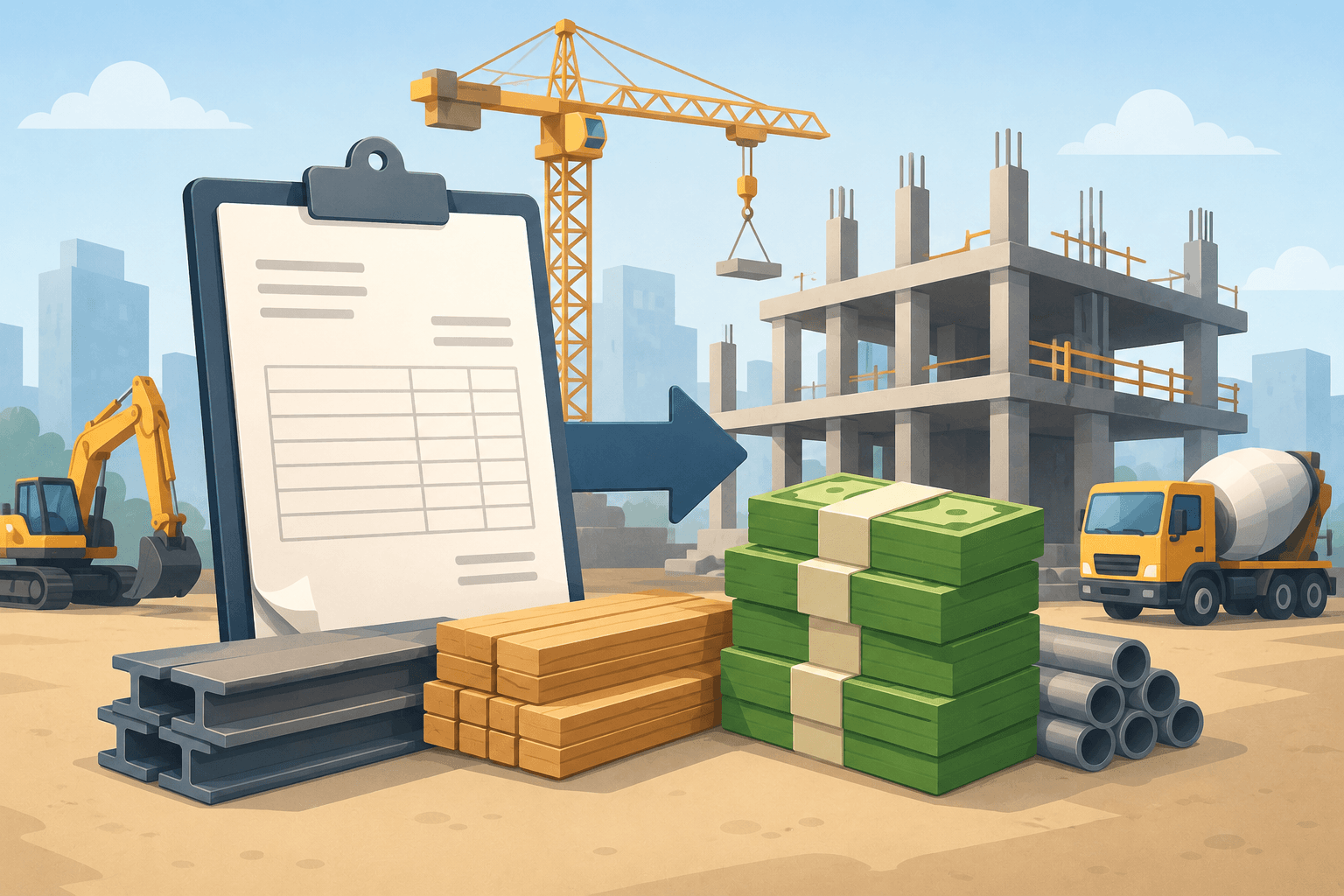
Invoice Factoring for Construction Companies: A Guide
Construction is one of the most cash-intensive industries. You pay crews weekly, buy materials upfront, and cover equipment costs before a project even breaks ground. Yet the payment you're owed for completed work may not arrive for 60, 90, or even 120 days. That gap between spending money and receiving it is where many construction businesses run into trouble.
Invoice factoring for construction offers a practical solution. Instead of waiting months for a client to pay an invoice, you sell that invoice to a factoring company at a discount and receive most of the value within days. It's not a loan. It's a way to unlock cash that's already earned but sitting in your accounts receivable.
If you're new to the concept, our overview of what invoice factoring is and how it works covers the basics. This guide focuses specifically on how factoring applies to the construction industry, including the unique challenges contractors face, what it costs, and how to decide if it's the right fit for your business.
Why Construction Companies Face Unique Cash Flow Challenges
Construction company cash flow problems aren't a sign of poor management. They're baked into the way the industry operates. Several factors make construction uniquely difficult when it comes to staying liquid.
Long payment terms. General contractors, commercial property owners, and government agencies commonly pay on net-60 to net-120 terms. Some public projects stretch even longer. Meanwhile, your costs don't wait.
Retention holdbacks. It's standard practice for clients to hold back 5% to 10% of each progress payment until a project reaches substantial completion. That retained amount can represent significant working capital you can't access for months.
Upfront material costs. Lumber, concrete, steel, and specialty materials often require payment on delivery or within 30 days. Suppliers rarely offer the same extended terms your clients demand from you.
Payroll obligations. Crews and subcontractors expect to be paid on time, every time. Missing payroll damages relationships and can shut a project down.
Seasonal cycles. Many construction businesses experience seasonal slowdowns. Projects may pause during winter months, but overhead costs continue.
These pressures compound when you're running multiple projects at different stages. One delayed payment can ripple across your entire operation. For a deeper look at managing these challenges, see our guide on cash flow management for small businesses.
How Invoice Factoring Works for Contractors
Factoring for contractors follows a straightforward process. Here's what it looks like step by step.
- You complete work and invoice your client. This could be a progress billing invoice for a phase of a project or a final payment invoice after project completion.
- You sell the invoice to a factoring company. Rather than waiting for your client to pay, you submit the invoice to the factoring provider.
- The factoring company advances a percentage of the invoice value. This advance typically ranges from 70% to 90% of the invoice amount, depending on the factoring company and the specifics of the invoice.
- The factoring company collects payment from your client. Your client pays the factoring company directly when the invoice comes due.
- You receive the remaining balance, minus fees. Once the factoring company collects the full payment, they send you the remaining percentage after deducting their factoring fee.
The key advantage here is speed. Instead of waiting two or three months for payment, you can have working capital in hand within a few business days.
Advance Rates and Fee Structures
Advance rates in construction factoring typically range from 70% to 90% of the invoice value. The exact percentage depends on several factors, including the size of the invoice, the creditworthiness of your client, and the payment terms involved.
Factoring fees generally range from 1% to 5% per month, though this varies by provider. Some factoring companies use a flat fee structure, while others use tiered pricing where the fee increases the longer the invoice goes unpaid. For example, the fee might be 2% for the first 30 days, with an additional percentage added for each subsequent 30-day period.
Always ask about the full cost structure. Some providers charge additional fees for applications, wire transfers, account setup, or falling below minimum volume requirements. These can add up and affect your overall cost.
Recourse vs. Non-Recourse Factoring
There are two main types of factoring arrangements, and the distinction matters.
Recourse factoring means you, the contractor, are responsible if your client fails to pay the invoice. If the client defaults, the factoring company can require you to buy back the invoice or replace it with another one. Recourse factoring is more common and typically carries lower fees.
Non-recourse factoring shifts the risk of non-payment to the factoring company. If your client doesn't pay due to a covered reason (usually insolvency), you're not on the hook. However, non-recourse factoring typically costs more, and the protections may be narrower than they first appear. Read the terms carefully.
In the construction industry, recourse factoring is more common. Factoring companies understand that construction payments can be delayed for legitimate reasons, so they often prefer arrangements where the contractor shares the collection risk.
Types of Construction Invoices That Can Be Factored
Not every invoice is eligible for construction invoice factoring. Understanding what qualifies can save you time when approaching a factoring provider.
Progress billing invoices. These are the most commonly factored invoices in construction. When you bill for completed phases or milestones on a project, those invoices are typically eligible as long as the work has been completed and accepted.
Final payment invoices. The last invoice on a project, covering the remaining balance after all progress payments, can usually be factored.
Change order invoices. If a client approves a change order and you invoice for the additional work, that invoice may be factorable once the work is completed and documented.
Government contract invoices. Invoices tied to government projects may also be eligible. Government entities are generally considered creditworthy debtors, which can work in your favor during the underwriting process.
Retention holdbacks. The retained portion of progress payments is typically not factorable until the holdback is officially released by the client. Some factoring companies may consider retention invoices once they're released, but this varies.
Invoices that are disputed, subject to liens, or tied to work that hasn't been completed and verified are generally not eligible.
Qualification Requirements
Qualifying for invoice factoring differs from qualifying for a traditional loan. The focus shifts from your financial profile to your client's ability to pay.
Completed work. The invoice must represent work that has been performed and accepted. Factoring companies do not advance funds against invoices for future or in-progress work.
Creditworthy clients. The factoring company evaluates the creditworthiness of your client (the account debtor), not just yours. If you're working for established general contractors, commercial developers, or government agencies, this typically works in your favor.
Clean invoices. The invoices should be free of liens, disputes, or encumbrances. If there's a payment dispute or a mechanics lien on the project, factoring companies will likely pass.
Your credit matters less. While factoring companies may review your business credit, the primary underwriting focus is on your client's ability to pay. Contractors with less-than-perfect credit may still qualify if their clients are financially strong.
Minimum requirements. Many factoring companies set minimum invoice amounts (often $5,000 or more for construction) and may require that your business has been operating for at least six months to a year. These requirements vary by provider.
Invoice Factoring vs. Other Construction Financing Options
Invoice factoring is one of several ways to address cash flow gaps in construction. Here's how it compares to other common options. For detailed comparisons, see our guides on invoice factoring vs. a line of credit and what is accounts receivable financing.
| Feature | Invoice Factoring | Business Line of Credit | AR Financing | Working Capital Loan |
|---|---|---|---|---|
| How it works | Sell invoices at a discount | Draw funds as needed up to a limit | Borrow against receivables as collateral | Receive a lump sum loan |
| Speed to funding | Days | Days to weeks (after approval) | Days to weeks | Weeks |
| Collateral | The invoices themselves | Varies (may require business assets) | Accounts receivable | Business assets, personal guarantee |
| Creates debt? | No | Yes | Yes | Yes |
| Credit focus | Client's credit | Your credit | Mix of both | Your credit |
| Typical cost | 1-5% per month | Interest on drawn amount | Interest plus fees | Fixed interest rate |
Accounts receivable financing construction solutions, such as AR lending, differ from factoring in an important way: with AR financing, your receivables serve as collateral for a loan, but you retain ownership of the invoices and remain responsible for collection. With factoring, you sell the invoices outright. Learn more on our Accounts Receivable Financing page.
For a broader look at funding options, explore our overview of construction business financing options.
Benefits of Invoice Factoring for Construction Businesses
When used strategically, invoice factoring offers several practical advantages for construction companies.
- Faster access to cash. Turn 60- to 120-day receivables into cash within days, keeping projects on schedule.
- Take on more projects. With steady cash flow, you can bid on and accept new work without worrying about whether last month's invoice has been paid.
- Meet payroll and pay suppliers on time. Consistent cash flow means you won't need to delay payments to crews or vendors.
- No additional debt. Factoring is a sale of an asset, not a loan. It doesn't add debt to your balance sheet.
- Qualification based on client credit. Contractors who may not qualify for traditional financing can still access factoring if their clients are creditworthy.
- Flexible usage. Factor individual invoices or batches as needed, rather than committing to a fixed borrowing arrangement.
Potential Drawbacks to Consider
Factoring isn't the right fit for every situation. Here are the trade-offs to weigh.
- Cost. Factoring fees reduce your profit margin on each invoice. If you're working on thin margins, the cost of factoring can be significant, especially on invoices that take a long time to collect.
- Client notification. In most factoring arrangements, your clients will be notified that their payments should go to the factoring company. Some contractors worry this could affect client relationships, though it's common practice in the industry.
- Not all invoices qualify. Disputed invoices, retention holdbacks, and invoices from clients with poor credit may not be eligible.
- Ongoing costs. If you use factoring as a long-term cash flow strategy rather than a short-term bridge, the cumulative fees can exceed the cost of other financing options.
- Contract commitments. Some factoring agreements require minimum monthly volumes or long-term contracts. Read the terms carefully before signing.
How to Choose a Factoring Company for Construction
Not all factoring providers understand the construction industry. Here's what to look for when evaluating your options.
Industry experience. Construction invoicing is more complex than invoicing in most industries. Progress billing, retention, change orders, and lien waivers all require specialized knowledge. Choose a provider with experience in construction.
Transparent fee structure. Ask whether fees are flat or tiered. Request a complete list of all charges, including application fees, wire transfer fees, early termination fees, and minimum volume fees.
Advance rate. Compare the advance percentages offered. A higher advance rate means more cash upfront, but weigh that against the total fee structure.
Notification vs. non-notification. Some factoring companies contact your clients directly. Others offer non-notification factoring, where the client may not know a third party is involved. Consider which approach fits your business relationships.
Contract flexibility. Look for month-to-month agreements or contracts without steep minimums. Avoid long-term contracts that lock you in if your needs change.
Speed of funding. Ask how quickly you can expect to receive your advance after submitting an invoice. First fundings typically take longer than subsequent ones.
BreadRoute is a marketplace that connects contractors with multiple factoring providers and financing options. Instead of approaching factoring companies one at a time, you can compare options through a single platform. Visit our Invoice Factoring page to learn more about how the process works.
Next Steps: Explore Construction Financing Options
If slow-paying invoices are creating cash flow gaps in your construction business, invoice factoring may be worth exploring. It's not the only solution, and it's not free, but for many contractors it's an effective way to keep cash moving between projects.
BreadRoute connects construction companies with multiple financing providers, including factoring companies that specialize in the construction industry. You can compare options, terms, and advance rates in one place.
Apply for Business Financing to get started, or browse our guides on working capital financing and business insurance costs for contractors for more resources.
This article provides general information and should not be considered financial or insurance advice. Factoring rates, advance percentages, and qualification requirements vary by provider. BreadRoute is a marketplace that connects businesses with financing providers and does not provide factoring services directly.
Frequently Asked Questions
A construction company sells its unpaid invoices to a factoring company at a discount. The factoring company advances a percentage of the invoice value, typically 70% to 90%, within a few days. When the client pays the full invoice amount, the factoring company sends the contractor the remaining balance minus the factoring fee.
Progress billing invoices, final payment invoices, and change order invoices for completed work are generally eligible. Government contract invoices may also qualify. Invoices must represent work that has been completed and accepted by the client.
Retention holdbacks are typically not factorable while they are being held. Once the retention is officially released by the client and becomes a payable invoice, some factoring companies may be willing to factor that amount. This varies by provider.
Factoring companies focus primarily on the creditworthiness of your clients rather than your personal or business credit score. Contractors with lower credit scores may still qualify if their clients are financially stable entities such as established general contractors, developers, or government agencies.
Factoring fees generally range from 1% to 5% per month, depending on the invoice size, client creditworthiness, and how long the invoice takes to be paid. Additional fees for setup, wire transfers, or minimum volume requirements may also apply. Costs vary by factoring company, so it's important to compare the full fee structure.
After your account is set up and approved, advances on individual invoices can often arrive within one to three business days. The initial setup and approval process may take longer, sometimes a week or more, depending on the factoring company and the documentation required.
No. Invoice factoring involves selling your invoices to a third party, who then collects payment from your client. Accounts receivable financing uses your receivables as collateral for a loan, but you retain ownership of the invoices and handle collections yourself. Both address cash flow, but they are structured differently. Learn more about the differences in our guide to accounts receivable factoring solutions for cash flow.