
How Much Does Small Business Insurance Cost?
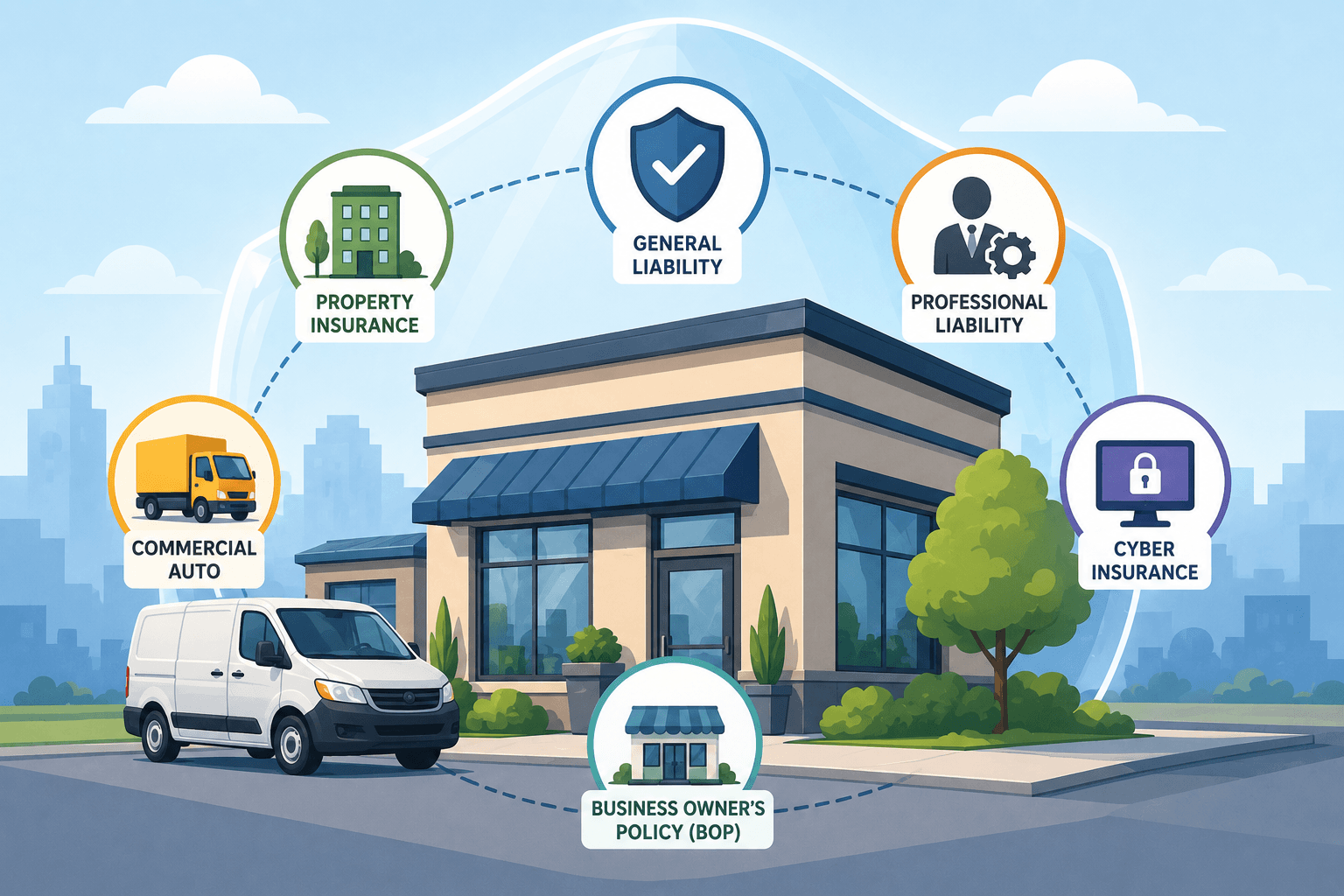
How Much Does Small Business Insurance Cost?
Small business insurance cost is one of the most common questions business owners ask when building a budget. The honest answer: it depends. Your industry, the type of coverage you need, the size of your operation, and your claims history all play a role in what you will pay.
This guide breaks down average pricing by coverage type and industry so you can set realistic expectations before you start shopping. Whether you are launching a new venture or reviewing your current policies, these ranges will give you a solid starting point.
BreadRoute is a marketplace that connects small business owners with insurance providers. We do not underwrite policies ourselves, but we help you compare options from multiple carriers in one place. All the cost figures in this guide represent general averages and typical ranges. Your actual premiums will depend on your specific business circumstances.
Average Cost of Small Business Insurance
Before diving into the details, here is a high-level look at what small businesses typically pay per year for the most common policy types:
| Coverage Type | Typical Annual Cost Range |
|---|---|
| General Liability | $400 |
| Business Owners Policy (BOP) | $500 |
| Workers Compensation | $500 |
| Professional Liability (E&O) | $500 |
| Commercial Property | $500 |
| Cyber Insurance | $500 |
| Commercial Auto | $1,200 |
These are averages drawn from industry data. A low-risk consulting firm will pay far less than a construction company with a large crew. The sections below explain each coverage type in more detail.
For a broader overview of coverage types, read our small business insurance guide.
General Liability Insurance Cost
How much is general liability insurance for a small business? Most small businesses pay between $400 and $2,500.
General liability covers third-party bodily injury, property damage, and advertising injury claims. It is often the first policy a business purchases because many clients, landlords, and contracts require it.
Several factors influence your general liability premium:
- Industry risk level. A roofing contractor faces more physical risk than an accounting firm, which translates to higher premiums.
- Annual revenue. Higher revenue generally means higher premiums because insurers associate more business activity with more exposure.
- Claims history. A track record of claims can increase your rates.
- Location. States and municipalities have different regulatory environments and litigation climates that affect pricing.
- Coverage limits. A $1 million occurrence / $2 million aggregate.
To learn more about what this policy covers, see our post on general liability insurance and what it covers.
Business Owners Policy (BOP) Cost
A business owners policy bundles general liability and commercial property coverage into a single policy. Many carriers also include business interruption coverage in the bundle. Because you are purchasing combined coverage, a BOP often costs less than buying each policy separately.
Small businesses typically pay between $500 and $2,500.
A BOP is a strong fit for businesses that operate from a physical location, such as retail shops, restaurants, offices, or warehouses. If you work from home with no significant physical assets, standalone general liability may be sufficient.
Learn more about what a business owners policy covers and whether it makes sense for your business.
Workers Compensation Insurance Cost
Workers compensation insurance is required in most states for businesses that have employees. Even in states where it is not mandatory, carrying workers comp protects your business from costly workplace injury claims.
Premiums are calculated based on a rate per 100 of payroll, and that rate varies significantly by job classification.
Typical annual costs for small businesses range from $500 to $10,000+.
- Industry and job classification codes. Higher-risk jobs mean higher rates.
- Total payroll. More employees and higher wages increase your premium.
- State regulations. Each state has its own workers comp rate structure and rules.
- Experience modification rate (EMR). Your claims history compared to similar businesses can raise or lower your premium.
For a deeper look at this coverage, read our guide on workers comp insurance.
Professional Liability Insurance Cost
Professional liability insurance, also known as errors and omissions (E&O) insurance, protects service-based businesses against claims of negligence, mistakes, or failure to deliver promised services.
Small businesses typically pay between $500 and $5,000.
Industries that commonly need professional liability coverage include:
- Consultants and business advisors
- Accountants and tax preparers
- IT firms and software developers
- Real estate agents and brokers
- Marketing and advertising agencies
- Architects and engineers
If you are unsure whether you need general liability, professional liability, or both, our comparison of general liability vs. professional liability insurance can help you sort it out.
For more on what E&O covers, see our post on professional liability insurance explained.
Other Common Coverage Types and Their Costs
Beyond the core policies above, many small businesses need additional coverage. Here is a quick look at other common policy types and their typical cost ranges.
Commercial Property Insurance
Commercial property insurance covers your building, equipment, inventory, and other physical assets against damage from fire, storms, theft, and vandalism. Small businesses typically pay $500 to $25,000+.
Cyber Insurance
Cyber insurance covers data breaches, ransomware attacks, and other digital threats. With cyberattacks on the rise, this coverage has become increasingly important for businesses that handle customer data. Typical costs range from $500 to $10,000+.
Commercial Auto Insurance
If your business owns or operates vehicles, you will likely need commercial auto insurance. Annual premiums typically range from 1,200 to $25,000+.
Product Liability Insurance
Businesses that manufacture, distribute, or sell physical products should consider product liability coverage. This protects against claims that a product caused injury or property damage. Costs vary widely based on product type and sales volume. See our overview of product liability insurance.
Business Insurance Cost by Industry
Your industry is one of the biggest factors in determining your business insurance cost by industry. Here is how pricing tends to break down across common business types.
Construction and Contracting
Construction businesses face some of the highest insurance costs due to the physical nature of the work. General liability premiums for contractors can easily exceed $2,000 per year, and workers compensation is typically one of the largest expenses. Contractors also often need surety bonds for small businesses, which add to overall costs.
A small contracting business might spend $3,000 to $25,000+.
Restaurants and Food Service
Restaurants typically need a BOP that covers the physical location and general liability. If you serve alcohol, you will also need liquor liability coverage. Workers compensation for kitchen and service staff adds to costs.
A small restaurant might pay $2,000 to $10,000+.
Professional Services and Consulting
Consulting firms, accountants, and other professional service providers generally enjoy lower insurance premiums because their work involves less physical risk. However, professional liability (E&O) insurance is critical in these fields.
A solo consultant or small professional services firm might pay $1,000 to $5,000+.
Retail Businesses
Retail shops need general liability and commercial property coverage at a minimum. If you sell physical products, product liability insurance is also worth considering. A small retail store might pay $1,500 to $5,00+.
Here is a quick reference for additional industries:
| Industry | Typical Annual Insurance Cost Range |
|---|---|
| Technology / SaaS | 1,000 |
| Healthcare Practices | 3,000 |
| Trucking / Transportation | 5,000 |
| Manufacturing | 3,000 |
These ranges are approximate. Your actual costs will depend on your specific operations, coverage needs, and risk profile.
Factors That Affect Small Business Insurance Pricing
Understanding the factors that drive small business insurance pricing helps you anticipate costs and make informed decisions. Here are the main variables carriers consider:
- Industry and risk classification. Higher-risk industries pay more. Insurers use standardized classification codes to assess risk.
- Business size and revenue. Larger businesses with higher revenue typically pay higher premiums.
- Number of employees. More employees increase exposure, especially for workers compensation.
- Location. State regulations, local litigation trends, and natural disaster risk all factor into pricing.
- Coverage limits and deductibles. Higher coverage limits raise premiums. Higher deductibles can lower them.
- Claims history. A history of frequent or large claims signals higher risk to insurers.
- Years in business. Newer businesses may pay slightly more because they lack a track record. Read more about business insurance for startups.
- Type and value of business property. Expensive equipment, large inventories, and owned buildings increase commercial property premiums.
How to Lower Your Business Insurance Costs
While you cannot control every pricing factor, there are practical steps you can take to manage your premiums:
- Bundle policies. A BOP combines general liability and commercial property coverage, which can cost less than purchasing each separately.
- Implement safety programs. Workplace safety training and risk management protocols can reduce claims and improve your experience rating over time.
- Raise deductibles strategically. A higher deductible lowers your premium, but make sure you can afford the out-of-pocket cost if you need to file a claim.
- Compare quotes from multiple carriers. Insurance pricing varies between providers. Shopping through a marketplace like BreadRoute lets you see options side by side.
- Review policies annually. Your business changes over time. Reviewing coverage each year ensures you are not paying for coverage you no longer need or missing coverage you do.
- Maintain a clean claims history. Avoiding preventable claims keeps your premiums in check over the long term.
These strategies can help you manage costs, but the actual impact will depend on your specific situation and the carriers you work with.
How to Get a Business Insurance Quote
Getting a business insurance quote is straightforward. You will typically need to provide:
- Your business name, structure, and industry
- Years in operation
- Annual revenue and number of employees
- Details about your business location and property
- Information about the coverage types and limits you are looking for
- Your claims history
BreadRoute makes this process simpler by connecting you with multiple insurance providers through a single application. Instead of filling out separate forms for each carrier, you can compare options in one place and choose the coverage that fits your needs and budget.
Next Steps
Ready to find out what your business insurance will cost? BreadRoute connects you with insurance providers so you can compare coverage options and pricing from multiple carriers.
Get matched with business insurance
You can also explore our small business insurance guide to learn more about the coverage types available to your business.
This article provides general information and should not be considered financial or insurance advice. Coverage options, terms, and pricing vary by carrier and policy. BreadRoute is a marketplace that connects business owners with insurance providers and does not underwrite insurance policies. Contact a licensed insurance professional for advice tailored to your specific situation.
Frequently Asked Questions
Requirements vary by state and business type. Workers compensation is required in most states for businesses with employees. Some industries require specific policies, and many commercial leases and client contracts mandate general liability coverage. Check your state's requirements to understand your obligations.
Insurers price policies based on risk. Industries with higher rates of workplace injuries, property damage claims, or lawsuits pay higher premiums. Construction, healthcare, and transportation are examples of industries that typically face higher insurance costs.
You can manage premiums by bundling policies, implementing safety programs, maintaining a clean claims history, and comparing quotes from multiple carriers. Raising your deductibles can also lower premiums, though you should only do this if you can comfortably cover the higher out-of-pocket cost.
The coverage you need depends on your industry, business structure, and risk profile. Most businesses start with general liability. If you have employees, workers compensation is typically required. Service-based businesses often need professional liability, and businesses with physical locations benefit from commercial property coverage or a BOP.
New businesses may pay slightly higher premiums because they lack an established track record and claims history. However, many startups qualify for affordable coverage, especially if they operate in lower-risk industries. As your business builds a positive history, premiums may decrease over time.
Review your coverage at least once a year or whenever your business undergoes a significant change. Adding employees, moving locations, purchasing expensive equipment, or expanding into new services can all affect your coverage needs and premiums. An annual review helps ensure you have adequate protection without paying for coverage you no longer need.