
Gym & Fitness Business Loans: A Financing Guide
Gym & Fitness Business Loans: A Financing Guide
Opening a gym or fitness studio takes more than passion for health and wellness. It takes capital. Between securing a commercial space, purchasing equipment, building out the interior, and covering operating costs before membership revenue stabilizes, gym business loans are a practical tool for many fitness entrepreneurs. Whether you are launching a boutique cycling studio or expanding an established full-service gym, the right financing depends on your business stage, credit profile, and how you plan to use the funds. This guide walks through the most common loan types, typical lender requirements, and steps you can take to put your application in the strongest position.
Why Gym Owners Need Financing
Gyms and fitness studios are among the most capital-intensive small businesses to launch and operate. Before you welcome your first member, there are significant upfront costs to manage.
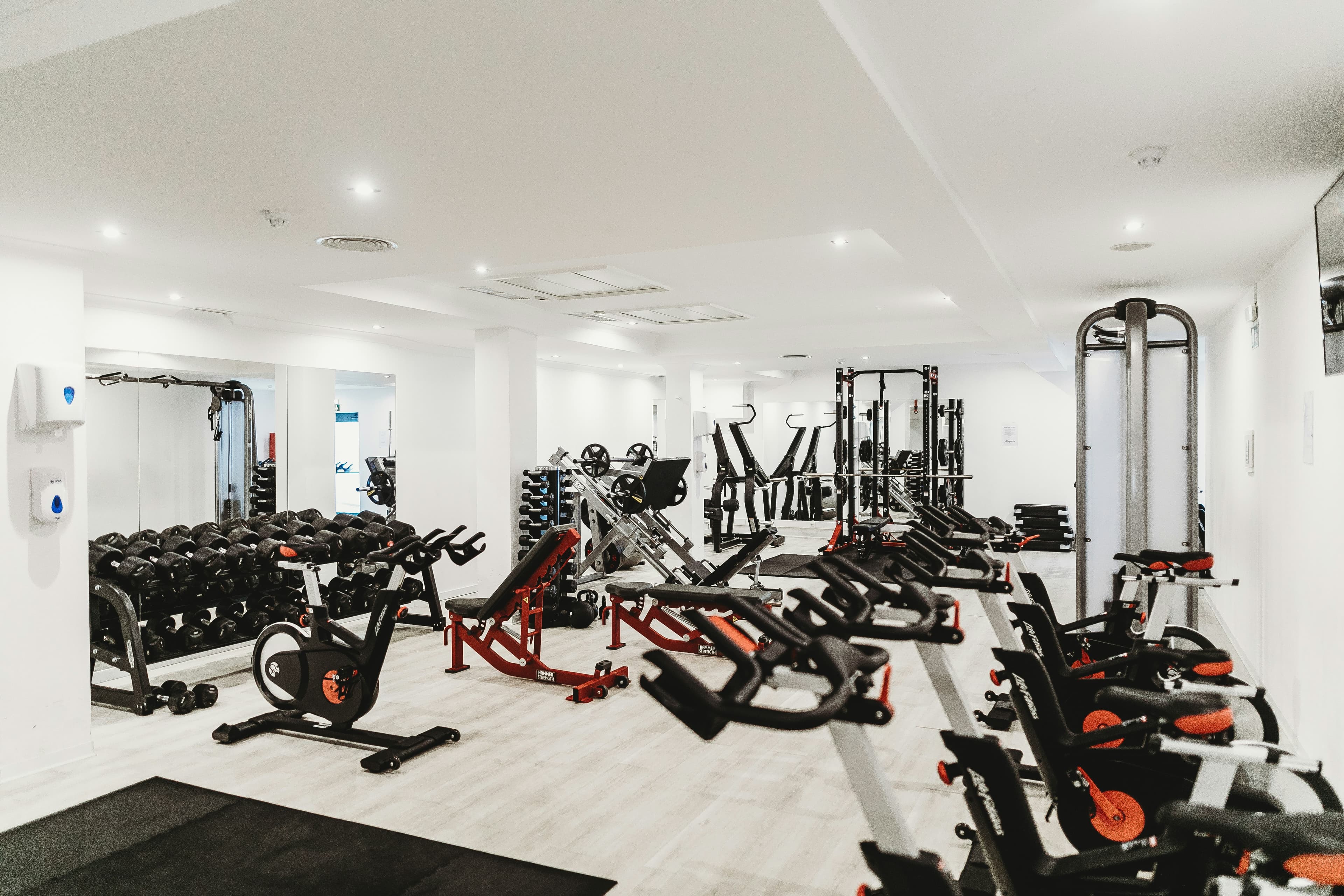
Commercial lease buildouts often require major renovations: reinforced flooring, open floor plans, locker rooms, showers, and HVAC upgrades. Equipment alone can represent a substantial investment. Treadmills, ellipticals, free weight sets, squat racks, rowing machines, and specialty rigs like functional training systems add up quickly.
Beyond the physical space, you will likely need member management software, keycard or app-based access systems, point-of-sale tools, and a marketing budget to drive initial sign-ups. Startup costs for a gym can range from under $50,000 for a small personal training studio to several hundred thousand dollars or more for a large facility with a full equipment floor, group fitness rooms, and amenities.
Ongoing working capital needs, including payroll, rent, utilities, and inventory like supplements or branded merchandise, also make financing a recurring consideration for gym owners at every stage.
Common Loan Types for Gym and Fitness Businesses
There is no single loan product designed specifically for gyms. Instead, fitness business owners typically choose from several standard small business financing products, each suited to different purposes and business stages. For a broader overview, see our small business financing guide.
Equipment Financing
Equipment financing is one of the most accessible options for gym owners. With this type of loan, you borrow specifically to purchase equipment, and the equipment itself typically serves as collateral. Because the lender has a tangible asset backing the loan, qualification requirements can be more flexible compared to unsecured products.
This is a practical fit for purchasing treadmills, weight machines, rowing machines, spin bikes, and specialty equipment like cable crossover stations or turf sleds. If your gym needs a full equipment refresh or you are outfitting a new location, a gym equipment loan can help you spread the cost over time rather than paying out of pocket.
Repayment terms generally align with the expected useful life of the equipment. For a deeper look at how the process works, read our equipment financing guide.
SBA Loans
SBA loans are government-backed financing products offered through approved lenders. Two programs stand out for gym businesses:
SBA 7(a) loans are the most versatile option. They can be used for working capital, equipment purchases, leasehold improvements, and other general business purposes. This makes them useful for gym owners who need financing that covers multiple categories at once.
SBA 504 loans are designed for major fixed assets, including commercial real estate. If you plan to purchase a building for your gym rather than lease, a 504 loan may be worth exploring. You can learn more on our SBA 504 loan guide.
SBA loans tend to offer competitive terms, but the approval process is more involved and timelines are longer than conventional business loans. A strong business plan and solid financials will be important. Our guide on getting started with SBA loans covers what to expect.
Term Loans
A term loan provides a lump sum of capital that you repay on a fixed schedule over a set period. This is a straightforward option for established gyms that need funding for a specific project: a facility buildout, a renovation, adding a new group fitness room, or expanding to a second location.
Term loans typically require a track record of business revenue, making them more accessible to gym owners who have been operating for at least a year or two. Repayment terms and amounts vary by lender and borrower profile.
Business Lines of Credit
A business line of credit gives you access to a set amount of funds that you can draw from as needed. You only pay interest on the amount you use, and as you repay, the credit becomes available again.
For gym owners, a line of credit is useful for managing cash flow fluctuations. Membership revenue can dip seasonally, for example during summer months when members travel or shift to outdoor workouts. A line of credit can help cover payroll, rent, or unexpected equipment repairs during slower periods. Learn more about how a business line of credit works.
Working Capital Loans
Working capital loans provide short-term financing for everyday business expenses. If you need to cover payroll during a lean month, fund a marketing push ahead of the New Year rush, or stock up on retail inventory, working capital financing can fill the gap.
These loans are typically repaid over shorter terms and funded relatively quickly. They are not ideal for large capital expenditures, but they serve an important role in keeping operations running smoothly. Read more about working capital financing to understand how it fits into your financial strategy.
Startup Loans for New Gyms
If you are opening your first gym, qualifying for a gym startup loan can be more challenging since most lenders want to see an established revenue history. That said, there are options available.
SBA microloans offer smaller loan amounts and are designed for startups and early-stage businesses. Equipment financing can also be a strong starting point because the equipment serves as collateral, reducing the lender's risk. Some entrepreneurs rely on personal credit history to qualify for their initial funding.
Regardless of the path you choose, having a detailed business plan is essential. Lenders want to see realistic revenue projections, a clear understanding of your target market, and a breakdown of how the funds will be used. For more on funding a new business, see our guide to startup business loans and our overview of equipment financing for startups.
Typical Requirements for Gym Business Loans
Lender requirements vary depending on the loan product and the lender, but there are common criteria most will evaluate:
- Personal credit score: Many lenders look for a minimum personal credit score, though the threshold depends on the product. SBA loans and term loans generally expect higher scores than equipment financing or short-term products. See our breakdown of the credit score needed for a business loan.
- Time in business: Many lenders prefer at least one to two years of operating history. Startups may need to explore SBA microloans, equipment financing, or other startup-friendly products.
- Annual revenue: Lenders typically want to see consistent revenue that supports repayment. Revenue thresholds vary widely.
- Business plan: Especially important for startups or businesses seeking larger loan amounts.
- Collateral: Some products, like equipment financing, have built-in collateral. Others may require additional assets.
For a full checklist, review our guide on documents required for a business loan.
How to Strengthen Your Gym Loan Application
A few steps can improve your chances of getting funded:
- Prepare a thorough business plan. Include membership projections, a competitive analysis of your local market, expense breakdowns, and your marketing strategy. Lenders want to see that you understand the business.
- Gather financial documents early. Tax returns, bank statements, profit and loss statements, and a balance sheet are commonly requested. Having them organized speeds up the process.
- Check your credit. Review both your personal and business credit reports before applying. Correct any errors and, if possible, pay down outstanding debts to improve your profile. Our guide on how to build business credit from scratch is a good starting point.
- Start with a realistic ask. Requesting an amount that aligns with your revenue and repayment capacity signals to lenders that you have done your homework.
- Explore multiple options. Different lenders specialize in different products and borrower profiles. Comparing offers helps you find a better fit.
For more detailed advice, read how to get approved for a small business loan.
Insurance Considerations for Gym Owners
Many lenders require proof of business insurance before finalizing a loan. Gyms carry inherent risks, from member injuries to property damage, so insurance is not just a lender requirement but a practical necessity.
General liability insurance covers claims related to bodily injury and property damage on your premises, such as a member slipping on a wet floor. Commercial property insurance protects your equipment, furniture, and buildout investment. Learn more about what general liability insurance covers.
Coverage requirements and costs vary by carrier and policy, so it is worth exploring your options early in the financing process.
Comparing Your Options
Choosing the right loan depends on your situation. Here is a quick comparison to help you match your needs to the right product:
| Loan Type | Best For | Typical Repayment Term | Funding Speed | Qualification Difficulty |
|---|---|---|---|---|
| Equipment Financing | Purchasing gym equipment | 2 to 7 years | Moderate | Moderate |
| SBA 7(a) Loan | General purposes, larger amounts | Up to 25 years | Slower | More involved |
| Term Loan | Buildouts, renovations, expansion | 1 to 10 years | Moderate | Moderate to high |
| Business Line of Credit | Cash flow gaps, seasonal needs | Revolving | Fast | Moderate |
| Working Capital Loan | Day-to-day expenses | 3 to 18 months | Fast | Lower |
If you are a startup, equipment financing and SBA microloans tend to be the most accessible. Established gyms with revenue history have a wider range of options, including term loans and larger SBA products.
How BreadRoute Can Help
BreadRoute is a financing marketplace that connects gym and fitness business owners with multiple lenders through a single application. Rather than applying to lenders one by one, you can compare options in one place and find the product that fits your needs.
Ready to explore your financing options?
You can also Browse Lenders to see what is available before applying.
This article provides general information and should not be considered financial or insurance advice. Loan terms, rates, and approval criteria vary by lender. BreadRoute is a marketplace that connects borrowers with lenders and does not make lending decisions. For insurance content referenced above, coverage varies by carrier and policy.
Frequently Asked Questions
It is possible, though it can be more challenging. Lenders focus heavily on your credit profile, business plan, and financial projections. Having industry experience helps, but a well-researched business plan that demonstrates market understanding and realistic revenue projections can go a long way. Equipment financing may also be easier to access since the equipment acts as collateral.
Credit score requirements vary by product and lender. SBA loans and traditional term loans generally expect higher personal credit scores, often in the mid-600s or above. Equipment financing and short-term working capital products may be accessible with lower scores. Check your credit report before applying so you know where you stand.
Startup costs depend heavily on the concept and size of the facility. A small personal training studio might require $50,000 to $
Gym business loans can cover a wide range of expenses depending on the loan type. Common uses include purchasing equipment, funding leasehold improvements and buildouts, covering payroll and rent, marketing campaigns, buying inventory, and refinancing existing debt. The specific allowable uses depend on the loan product you choose.
Equipment financing is one of the most popular choices for gym owners because the equipment serves as collateral, which can make it easier to qualify. It allows you to spread the cost of expensive machines over time rather than paying upfront. This is especially useful for startups that may not qualify for other loan types yet.
Timelines vary significantly by product. Short-term working capital loans and lines of credit can sometimes be approved and funded within a few days. Equipment financing typically takes one to three weeks. SBA loans have the longest timelines, often requiring 30 to 90 days from application to funding due to the documentation and underwriting involved.
For most startup loans, yes. A business plan is one of the most important documents lenders will review, especially when you do not have existing revenue to demonstrate. Your plan should include a market analysis, membership projections, an expense breakdown, and a clear explanation of how the loan funds will be used.