
Commercial Auto Insurance for Small Businesses: Coverage and Costs
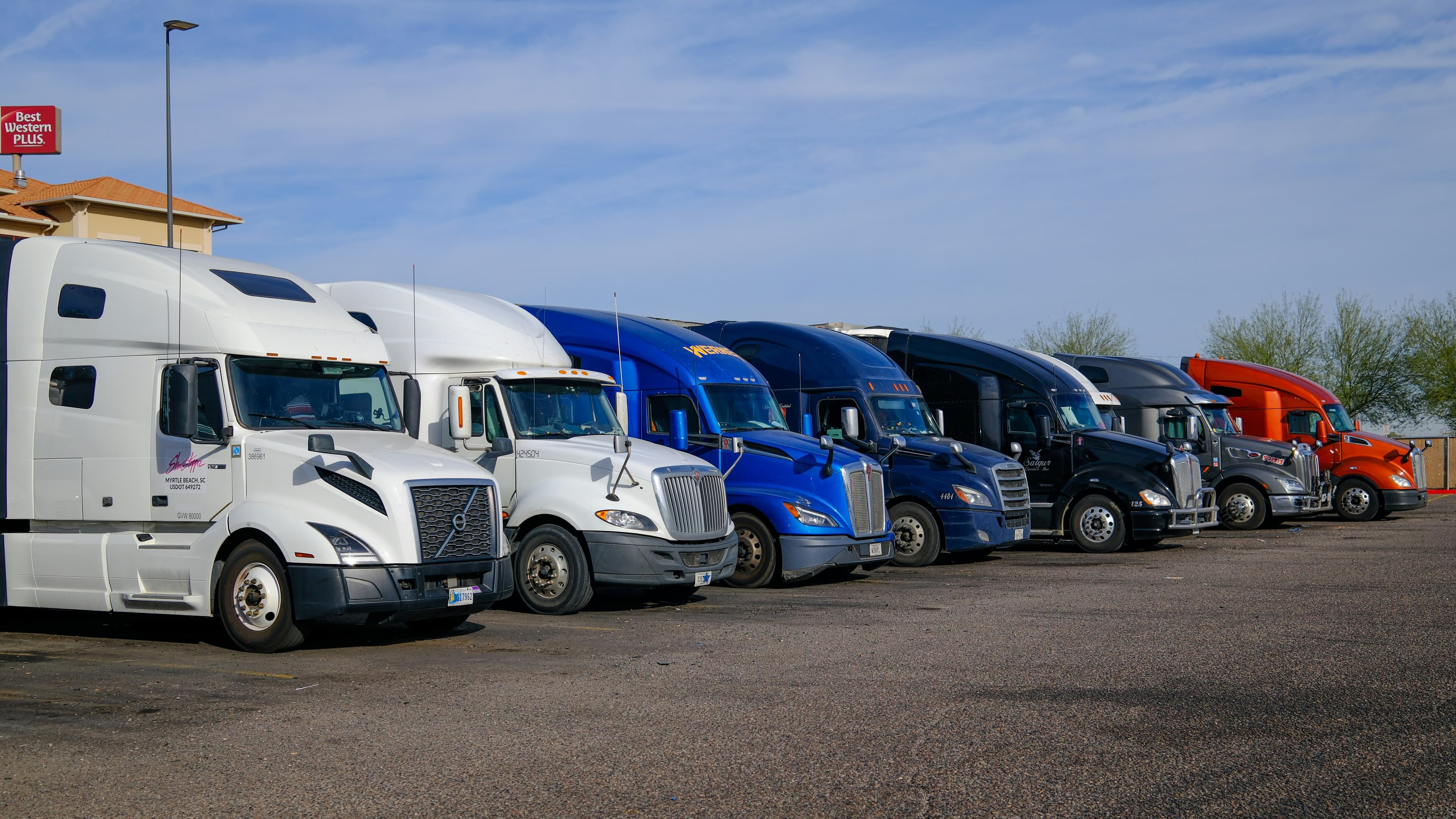
Commercial Auto Insurance for Small Businesses: What It Covers and Costs
If your business owns, leases, or regularly uses vehicles, you likely need commercial auto insurance. Personal auto policies typically exclude coverage for vehicles used for business purposes, which means an accident during a delivery run or client visit could leave you paying out of pocket.
This guide covers what commercial auto insurance is, the types of coverage available, how much small businesses can expect to pay, and how to find the right policy for your needs.
What Is Commercial Auto Insurance?
Commercial auto insurance is a policy designed to cover vehicles used for business operations. It protects your business from financial losses related to accidents, property damage, injuries, and vehicle theft.
The key difference between a personal auto policy and a commercial one is how the vehicle is used. If a vehicle is registered to your business, used to transport goods or equipment, or driven by employees as part of their job duties, it generally falls outside the scope of a personal auto policy.
Commercial auto insurance typically provides higher liability limits than personal policies and can cover multiple drivers under a single policy. Some states and industries also have specific insurance requirements. For example, businesses that haul freight or transport passengers for hire often face minimum coverage thresholds set by federal or state regulations.
Who Needs Commercial Auto Insurance?
Many types of small businesses need commercial auto coverage. If any of the following descriptions apply to your business, you should consider a commercial policy:
- Contractors and tradespeople who drive to job sites with tools and equipment
- Delivery services that transport goods to customers
- Landscaping companies that haul mowers, trailers, and supplies
- Catering businesses that deliver food and equipment to events
- Real estate agents who drive to property showings and client meetings
- Cleaning services that travel between client locations
- Any business that owns, leases, or rents vehicles for work purposes
Even sole proprietors who use a personal vehicle for regular business activities should look into commercial coverage. If you drive to meet clients, make deliveries, or transport materials on a regular basis, your personal auto policy may not cover an accident that occurs during those activities.
What Does Commercial Auto Insurance Cover?
Commercial auto insurance is not a single type of coverage. It includes several components that you can combine based on your business needs. Here is a breakdown of the main coverage types.
Liability Coverage
Liability coverage is the foundation of any commercial auto policy. It includes two parts:
- Bodily injury liability pays for medical expenses, lost wages, and legal costs if you or an employee injures someone in an accident while driving a business vehicle.
- Property damage liability covers the cost of damage you cause to another person's vehicle or property.
Most states require a minimum level of liability coverage for all vehicles on the road, including commercial ones. Your business may want higher limits than the state minimum to reduce your exposure to lawsuits and large claims.
Collision Coverage
Collision coverage pays for repairs or replacement of your business vehicle when it is damaged in an accident, regardless of who is at fault. If one of your work trucks rear-ends another car or rolls over on a job site, collision coverage handles the repair costs minus your deductible.
Comprehensive Coverage
Comprehensive coverage protects your vehicles from damage caused by events other than collisions. This includes theft, vandalism, fire, hail, flooding, falling objects, and animal strikes. If your business parks vehicles outdoors or operates in areas prone to severe weather, comprehensive coverage can be especially valuable.
Uninsured and Underinsured Motorist Coverage
This coverage protects your business when the other driver in an accident either has no insurance or does not carry enough coverage to pay for your damages. Given that a significant number of drivers on U.S. roads are uninsured, this type of coverage adds an important layer of protection.
Medical Payments Coverage
Medical payments coverage (sometimes called MedPay) pays for medical expenses for you, your employees, or passengers in your business vehicle after an accident. It applies regardless of who was at fault and can help cover costs like hospital bills, X-rays, and surgery.
Hired and Non-Owned Auto Coverage
This is an important coverage option for businesses that do not own a fleet but still have vehicle-related liability exposure.
- Hired auto coverage applies to vehicles your business rents or leases on a temporary basis. If you rent a van for a trade show or lease a car for a business trip, this coverage protects you.
- Non-owned auto coverage applies when employees use their personal vehicles for work tasks, such as running errands, making deliveries, or visiting clients. If an employee causes an accident while driving their own car on company business, this coverage can protect your business from liability.
Many businesses overlook this coverage type, but it can be critical for reducing your exposure to claims.
How Much Does Commercial Auto Insurance Cost?
Costs for commercial auto insurance vary widely depending on your business, your vehicles, and your coverage needs. As a general reference, many small businesses pay somewhere between $1,200 and $
Businesses with a single vehicle used for light-duty tasks like client visits may pay less. Companies operating heavy trucks, multiple vehicles, or vehicles in high-risk environments may pay significantly more.
The only way to know what you will pay is to get quotes based on your specific situation. Keep in mind that premiums represent the cost of financial protection, and choosing a policy based solely on price can leave gaps in your coverage.
Factors That Affect Your Premium
Insurers evaluate several factors when calculating your commercial auto insurance premium. Understanding these can help you anticipate costs and make informed decisions.
- Type of vehicle. A heavy-duty truck costs more to insure than a sedan. Specialty vehicles like refrigerated vans or vehicles with mounted equipment also tend to carry higher premiums.
- Industry. Some industries are considered higher risk. A construction company will typically pay more than a consulting firm.
- Driving records. If your drivers have clean records, you may qualify for lower premiums. Accidents, traffic violations, and DUIs on driver records will push costs up.
- Coverage limits and deductibles. Higher coverage limits mean higher premiums. Choosing a higher deductible can reduce your premium, but you will pay more out of pocket when you file a claim.
- Number of vehicles. Insuring a fleet of 10 vehicles costs more than insuring one or two, though some insurers offer volume discounts.
- Geographic location. Businesses in urban areas with more traffic congestion and higher accident rates often face higher premiums than those in rural areas.
- Claims history. A history of frequent claims can increase your rates.
- Annual mileage. Vehicles driven more miles per year have greater exposure to risk, which can increase premiums.
- Vehicle use. How you use your vehicles matters. Hauling heavy materials carries more risk than driving to client meetings.
Commercial Auto Insurance vs. Personal Auto Insurance
If you are wondering whether your personal auto policy covers business use, the short answer is: probably not. Here is how the two types of policies compare.
| Feature | Personal Auto Insurance | Commercial Auto Insurance |
|---|---|---|
| Covers business-owned vehicles | No | Yes |
| Covers employees as drivers | No | Yes |
| Liability limits | Lower (typically up to $500K) | Higher (often $1M or more) |
| Covers hired or rented vehicles | No | Yes (with hired auto coverage) |
| Covers cargo or equipment in transit | No | May be available as add-on |
| Business-related claims | Often denied | Covered under policy terms |
Using a personal policy for regular business driving is risky. If you are involved in an accident while using your car for business and your insurer determines the vehicle was being used commercially, they may deny your claim entirely. That could leave you responsible for medical bills, vehicle repairs, legal fees, and property damage.
How to Lower Your Commercial Auto Insurance Costs
While you cannot control every factor that influences your premium, there are practical steps you can take to help manage costs.
- Maintain clean driving records. Encourage safe driving habits among your employees. Fewer violations and accidents lead to more favorable premiums over time.
- Bundle policies. Many insurers offer discounts when you combine commercial auto with other business coverage, such as general liability insurance or commercial property insurance.
- Choose higher deductibles. If your business has the cash flow to absorb a higher out-of-pocket cost per claim, raising your deductible can lower your premium.
- Install safety and tracking devices. GPS trackers, dash cams, and anti-theft systems can reduce your risk profile and may qualify your business for discounts.
- Implement driver training programs. Formal safety training for employees who drive company vehicles demonstrates risk management to insurers.
- Compare quotes from multiple insurers. Shopping around through a marketplace like BreadRoute lets you see options from different carriers so you can find coverage that fits your budget and needs.
How to Get Commercial Auto Insurance for Your Business
Getting the right policy does not have to be complicated. Here is a straightforward process to follow.
Step 1: Assess your coverage needs. Think about how many vehicles you have, what they are used for, who drives them, and what level of liability protection your business requires.
Step 2: Gather your information. Insurers will ask for details about your vehicles (make, model, year, VIN), your drivers (names, license numbers, driving records), your annual mileage estimates, and your business type.
Step 3: Compare quotes. Rather than contacting insurers one at a time, use a marketplace to see multiple options side by side. This saves time and helps you understand what is available at different price points.
Step 4: Review policy terms carefully. Before you commit, read the policy details. Pay attention to coverage limits, exclusions, deductibles, and any conditions that could affect your claims.
BreadRoute connects small business owners with insurance carriers so you can compare commercial auto insurance options in one place.
Other Insurance Your Business May Need
Commercial auto insurance is one piece of a complete business insurance strategy. Depending on your operations, you may also need:
- General liability insurance to protect against third-party claims of bodily injury or property damage unrelated to vehicle accidents.
- Commercial property insurance to cover your business property, including buildings, equipment, and inventory.
- Workers' compensation insurance if you have employees, including drivers. Most states require workers' comp coverage, and it provides benefits to employees who are injured on the job.
If your business needs to purchase or lease new vehicles, you may also want to explore equipment financing options to manage the upfront cost.
Next Steps
Commercial auto insurance protects your business from the financial consequences of vehicle accidents, theft, and liability claims. Whether you operate one vehicle or an entire fleet, finding the right coverage starts with understanding your options.
BreadRoute is a marketplace that helps small business owners compare insurance and financing options from multiple providers. Ready to explore your coverage options?
Get matched with business insurance
This article provides general information and should not be considered financial or insurance advice. Coverage options, terms, and premiums vary by carrier, policy, and individual business circumstances. BreadRoute is a marketplace, not an insurance provider.
Frequently Asked Questions
If you regularly use your personal car for business activities like deliveries, client visits, or transporting supplies, you may need commercial auto coverage. Personal auto policies often exclude business use, and a claim filed during a business trip could be denied. Talk to an insurer about your specific situation to determine what coverage you need.
Many small businesses pay between $1,200 and $
Commercial auto insurance is designed for vehicles used for business purposes. It typically offers higher liability limits, covers multiple drivers and employees, and can include protections not found in personal policies, such as hired and non-owned auto coverage. Personal auto insurance is meant for personal use and generally will not cover accidents that happen during business activities.
Yes. Commercial auto policies can be structured to cover designated employees who drive company-owned vehicles. You will typically need to provide driver information to your insurer, and the driving records of your employees will factor into your premium.
Hired auto coverage applies to vehicles your business rents or leases temporarily. Non-owned auto coverage applies when employees use their personal vehicles for work-related tasks. Both protect your business from liability if an accident occurs in a vehicle your company does not own.
Most states require any vehicle driven on public roads to carry minimum liability insurance. If your vehicle is used for business purposes, a commercial policy is generally needed to meet those requirements. Certain industries, such as trucking and passenger transport, have additional federal or state insurance mandates.
Yes. Many insurers offer discounts when you purchase multiple policies together. Bundling commercial auto with general liability, commercial property, or workers' compensation insurance can simplify your coverage management and may reduce your overall costs.
Your personal auto insurer may deny the claim if they determine the vehicle was being used for business purposes at the time of the accident. That could leave you personally responsible for medical expenses, vehicle repairs, property damage, and legal costs. Having the right commercial coverage in place prevents this scenario.